Factory Quality Control
Painted Ceiling Grid Cut Ends: From Line Check to Packing
A factory-floor sequence for keeping ceiling grid identity with the cut-off operation, isolating end-condition exceptions and releasing clean profile groups to packing.
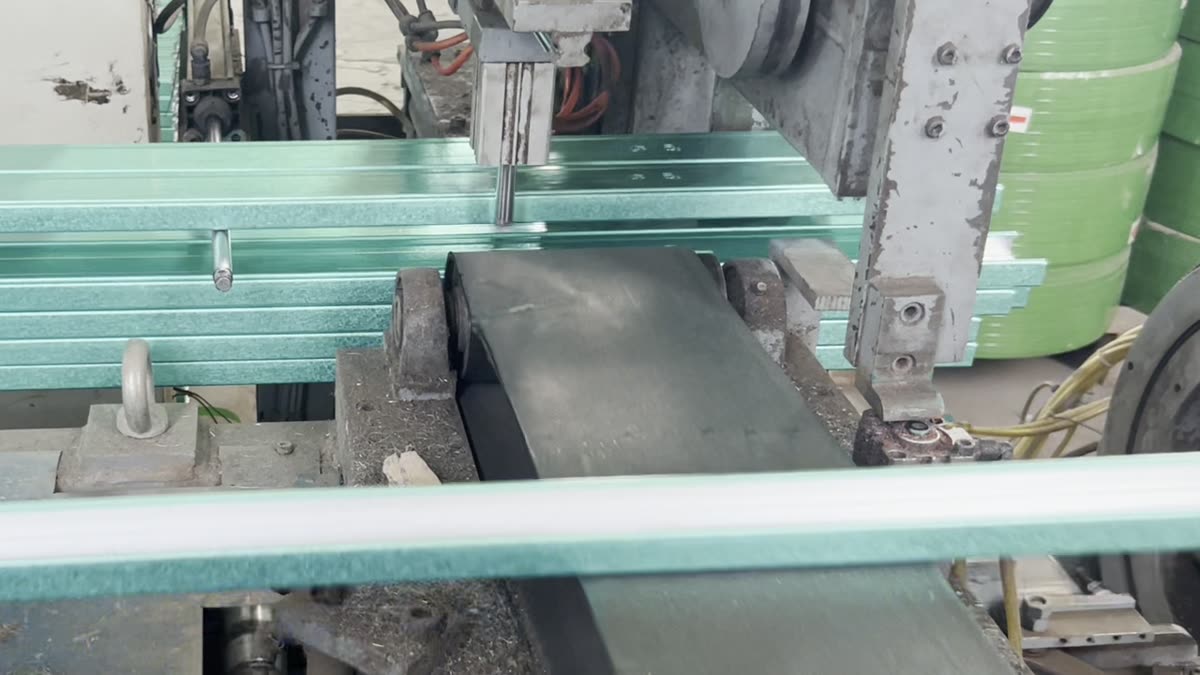
The cut end is its own inspection point
A painted profile can travel cleanly through the forming line and still deserve a pause at the cut-off station. The cut-off cycle is brief, and the next length soon covers the evidence on the run-out table. Painted ceiling grid cut ends deserve inspection in that short visible moment to answer a different question from finished-length measurement: did the newly separated end retain the intended section, a manageable edge and an undamaged visible face? This is not a search for a mirror finish on an industrial cut. It is a release check tied to the approved profile drawing, sample and factory inspection plan. A main tee, cross tee and wall angle do not share the same end detail, so a general instruction such as check the ends is too vague. The inspector needs the component name and the expected end condition beside the line before deciding what is normal and what should be isolated.
Keep profile identity beside the cut-off operation
Start with the order record that governs the run. Chengyu's published ceiling T-grid range separates main tees, cross tees and wall angle, with 15 mm and 24 mm face-width options, catalog lengths, several common profile thicknesses and OEM review for length, finish, labels and packing. Those fields should stay connected as the machine changes from one profile group to another. A neat end on the wrong component does not pass the order. Place the approved drawing or physical reference where the cut-off check occurs, not only in the office file. Confirm the profile family, visible face, length group and any end feature before the first release. If the setup changes, identify the new group before pieces accumulate on the table. This prevents an early trial piece, a changeover piece or material from a neighbouring run from slipping into a visually similar stack.
Read the section before profiles overlap
The clearest view is often the first unsupported length after separation. Look at the cut end straight on and then along the profile. Compare the visible tee face, vertical section and any formed or attached end detail with the approved reference. A local pinch, twist or folded corner may be small on the table but can make the piece awkward to identify, stack or connect later. Do not force a doubtful end back into shape and then hide it inside the accepted pile. Use the next few pieces to decide whether the observation belongs to one handled length or to the process group. Keep the suspect material separate while the line, guide, cut-off action and handling path are reviewed under the factory's own procedure. The point is traceability, not an improvised machine adjustment. A production photo can show where the exception appeared, but the order reference and disposition make that photo useful.
Separate edge condition from finished length
A correct nominal length does not describe the quality of the end, and a straight-looking end does not prove the length. Record the two checks separately. This keeps an inspector from accepting a rough projection because the tape reading is right, or from repeating a full length check when the actual concern is a distorted corner. It also makes later feedback clearer: the packing team can identify an end-condition hold without treating every bundle in the same length group as suspect. Manufacturer guidance for other cold-formed profiles helps explain the distinction without creating a universal ceiling-grid rule. British Gypsum's 2026 guidance for one proprietary movement detail prefers a factory-cut stud end because it has fewer burrs and is more likely to be straight and true, reducing abrasion at that detail. That instruction belongs to the named system, not to Chengyu T-grid. Its useful lesson is narrower: cut quality can affect handling and fit even after the length has been confirmed.
Protect the painted face while checking the end
The exposed painted face is part of the finished ceiling, so inspection handling should not create a second defect. Support long profiles instead of dragging them across the table or accepted stack. Keep measuring tools, metal offcuts and rejected pieces away from the coated face. If an end needs closer review, move the whole length to a defined inspection position rather than turning it against neighbouring profiles. Sharp edges and corners are also a handling issue. A British Gypsum safety data sheet for its metal products warns that sharp edges can cause cuts and abrasions and calls for suitable hand protection where that risk exists. Factories should follow their own risk assessment, machine instructions and PPE rules. Inspection of painted ceiling grid cut ends should never require a worker to reach into a moving cut-off area or test an edge with an unprotected hand.
Carry changeovers into the sampling plan
A production run is not one unbroken condition. Coil changes, profile changes, cut-off adjustments and restarts create useful inspection points. The factory's control plan should decide the sample frequency and acceptance route; a buyer article cannot supply a universal number. What matters operationally is that a sample can be linked to the group produced before and after a change, rather than becoming an anonymous piece on an inspection bench. When an exception appears, widen the review according to that plan and hold the affected group until its boundary is understood. Do not mix a corrected trial piece into the accepted stack and rely on memory. Mark the hold, keep it physically separate and record the reason in plain language. This preserves the relationship between the machine event, the profiles examined and the material eventually released.
Release the end condition with the bundle record
Packing is the final chance to keep the inspection readable. Align accepted profiles without using excessive force, protect the painted faces and keep main tees, cross tees and wall angle in their intended groups. The bundle or carton label should carry the product identity, length and order reference already used at the line. If a special finish or private label is part of the order, confirm that those fields have not become detached from the inspected material. Close the check with a short record: component, run or bundle reference, approved drawing or sample, inspection point, observation and disposition. For distributors and project buyers, ask how cut-end condition is tied to the named profile and packing group rather than requesting a generic quality check. That question produces a more useful answer and helps the receiving team trace any later exception to a defined release group.