Site Handling
Painted Ceiling T Grid Site Storage Before Installation
How to store and handle painted T-grid cartons so exposed faces, labels and room release stay usable before installation.
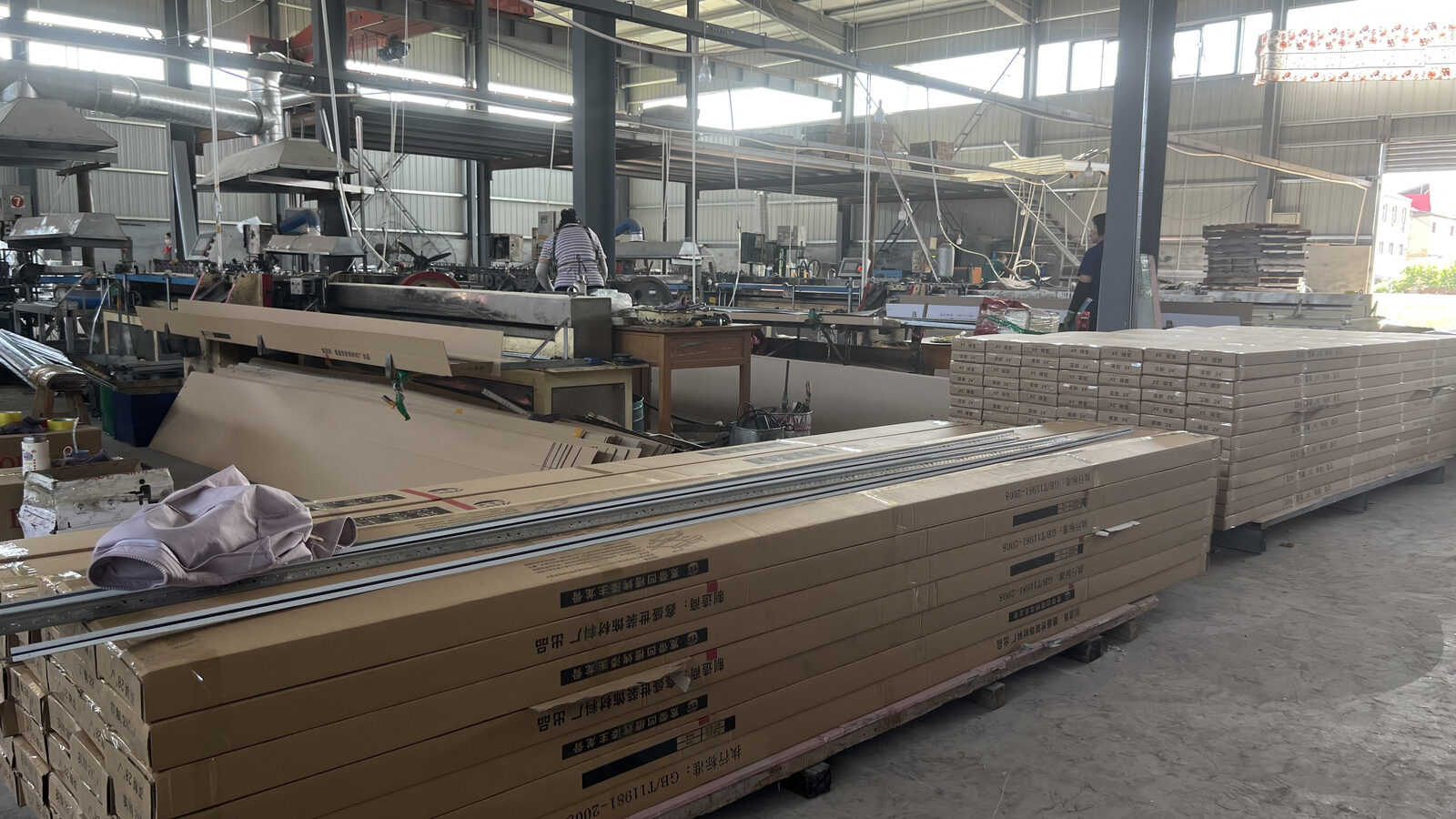
Storage starts the next installation decision
Painted ceiling T grid site storage is rarely treated as a design subject, but installers feel the result as soon as the first cartons are opened. A T-grid order may arrive with main tees, cross tees, wall angle, hangers and matched mineral fiber tiles all named correctly, yet the job can still slow down if the profiles are mixed on the floor, stacked under wet work, or dragged by the exposed face. Chengyu describes the painted ceiling T grid as the exposed suspension framework for modular mineral fiber ceiling tiles. That exposed word matters. The same profile that carries the ceiling layout also remains visible after handover. Storage before installation should protect the face finish, the locking ends, the carton identity and the room sequence. None of those checks require complicated equipment. They require the site team to treat the grid as finished material before it is installed.
Keep cartons off the roughest part of the floor
The first practical decision is where the cartons wait. Long T-grid cartons are often moved into a room before the ceiling line is ready because crews want material close to the work. That can be useful, but only if the storage area is dry, reasonably flat and out of the main traffic path. A carton laid across broken concrete, standing water, plaster waste or sharp offcuts is already losing the neat condition that buyers expected from export packing. A better staging point gives the profiles full-length support. Main tees and wall angles should not rest on one narrow point while workers step over them all day. Cross tee cartons should stay square enough that the ends remain readable when opened. If the room is crowded, keep fewer cartons inside and release the rest from a clean stock area. The aim is not to make the site look like a warehouse. It is to keep the grid straight, clean and easy to identify when the ceiling work begins.
Separate main tees, cross tees and wall angle
Painted ceiling T-grid components look related, but they do not do the same work. Chengyu's product information lists main tee, cross tee and wall angle as the basic system, with common layouts such as 600 x 600 mm, 600 x 1200 mm, 2 x 2 ft and 2 x 4 ft. On site, those names should stay visible after unloading. If cartons are opened and profiles are leaned into one mixed pile, the ceiling crew loses the benefit of a clear order. A simple practice is to stage by role first and by room second. Main tee cartons sit with the main tee run. Cross tees stay near the rooms where the module will be closed. Wall angle is kept with perimeter work, not buried under field components. Where 15 mm and 24 mm face-width options are both present across different orders or stock lots, separating the face width is essential. A small mix-up may not be obvious in a dim storage corner, but it becomes visible in the finished ceiling.
Protect the exposed painted face
The painted face is the part most people see, so it should not be used as a sliding surface. Installers sometimes pull a tee from the bottom of a bundle because it seems faster than moving the top layer. That habit can scratch the face, twist a thin edge or bend a locking end before the profile reaches the grid. The damage may be small, but exposed ceiling grids are unforgiving under long corridor light or retail lighting. The site check is plain: lift profiles, do not rake them through the bundle. Keep black, white or custom painted finishes away from abrasive dust and wet trade work. Do not let heavy board cartons, toolboxes or tile pallets press across loose tees. If a carton has been opened, close or cover it between shifts so the face does not collect grit. Painted ceiling T grid site storage is mainly about stopping ordinary handling from turning a finished component into a repair item.
Open cartons only when the room is ready
Early opening creates another problem: identity disappears. Chengyu supports OEM finish, length, label and export packing review for distributor orders. Those labels and carton groups help the buyer, warehouse and contractor speak the same language. Once loose profiles move without the carton, the crew must rely on memory, and memory is a weak inventory system on a busy fit-out floor. For room release, open only the cartons needed for the next work area. Check the ceiling module, face width, color, tee length and wall angle requirement before cutting straps. Keep a small offcut or damaged-piece area separate from usable stock so installers do not keep rechecking the same questionable pieces. If mineral fiber ceiling tiles are being staged nearby, keep enough space between board cartons and grid profiles for safe lifting. Grid work and tile work should support each other, not compete for the same narrow aisle.
Turn storage notes into a better RFQ
Distributors can reduce site sorting long before the container lands. The RFQ should state the ceiling module, main tee and cross tee lengths, wall angle needs, exposed face width, finish color, label language and packing groups. If the project will release floors, rooms or corridors in stages, say so. The factory can then discuss packing and labels in terms the contractor will actually use after delivery. The same habit helps repeat orders. A buyer who records which carton group worked well for a school corridor, office floor or retail ceiling can ask for that structure again instead of starting from a generic ceiling grid line. Product selection, export packing and site storage are not separate stories. They meet at the moment an installer opens a carton and expects the right profile to be clean, straight and identifiable. Good storage keeps that moment uneventful, which is exactly what a suspended ceiling project needs.