Sample Approval
Painted Ceiling T Grid Sample Board Before Stock Orders
How buyers use a small T-grid sample board to approve face width, locking, finish and stock-order details.
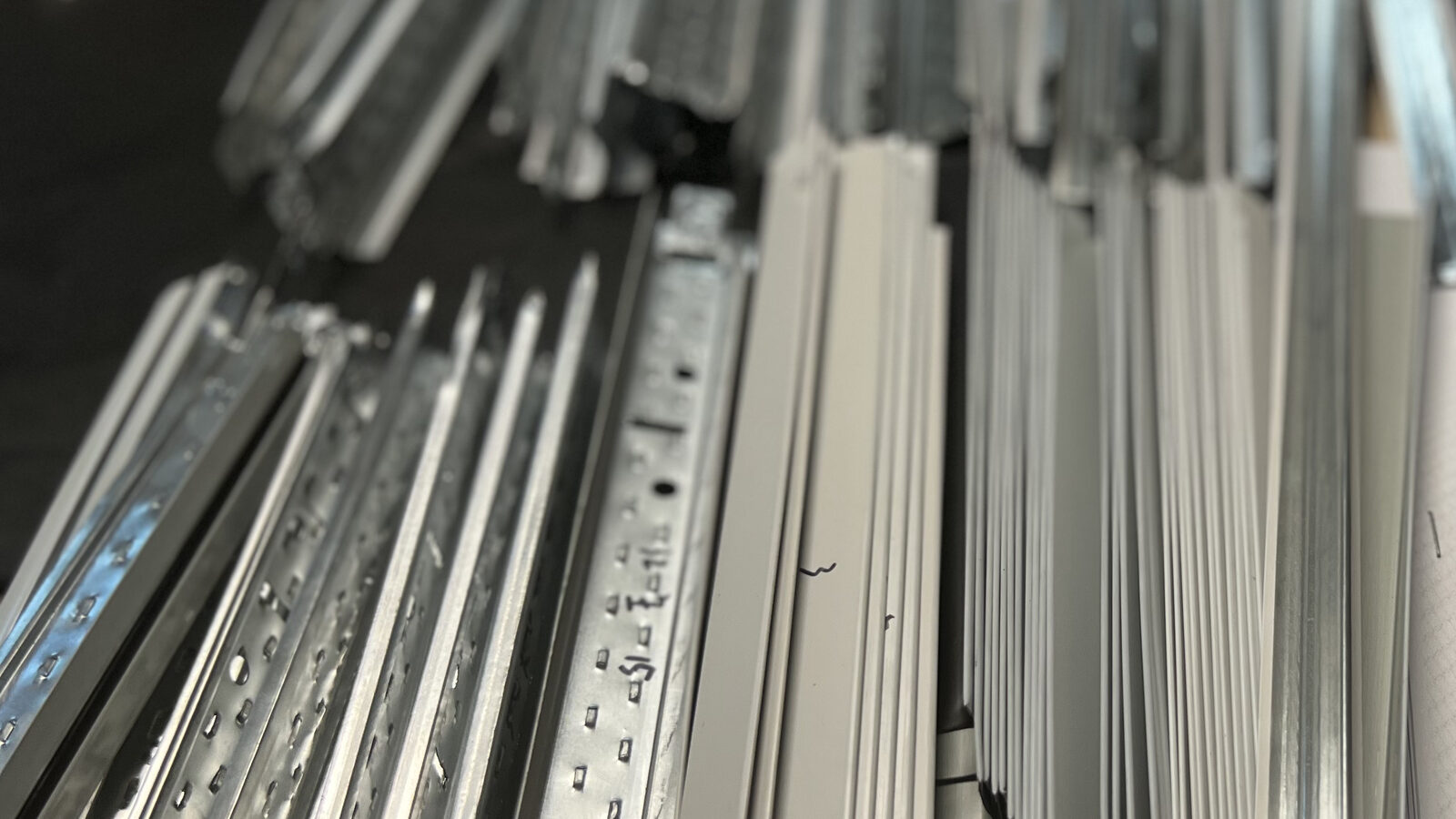
A sample board makes small differences visible
A painted ceiling T grid sample board is a modest item, but it can settle questions that a catalog line cannot. Distributors, contractors and project buyers often compare profiles before committing to stock or a repeat order. The board may be no more than a short arrangement of main tee, cross tee and wall angle beside the intended ceiling tile. Even at that scale, it shows whether the exposed face, connector fit, color impression and label language are moving in the same direction. Chengyu's current product content describes painted ceiling T grid as the exposed suspension framework for mineral fiber ceiling tiles, with main tees, cross tees and wall angle forming a level, accessible module. That is the practical reason to review a sample as a system. A loose white tee on a desk can look acceptable. A small assembled bay reveals more: how the face reads under light, whether the cross tee meets the main tee cleanly, and whether the wall angle belongs to the same order language.
Confirm face width before talking about color
Face width is one of the first sample-board decisions because it changes the finished ceiling more than many buyers expect. Chengyu lists 24 mm and 15 mm face-width options for painted ceiling T grid. Both can be legitimate choices, but they do not create the same visual line. A 24 mm grid reads stronger and more familiar in many stock programs. A 15 mm face gives a finer exposed line and may be selected for a different interior look or market habit. The sample board should therefore name the face width before the conversation moves to color or price. If the distributor keeps both options, each sample needs its own identity. If a project buyer is matching an existing ceiling, the sample should be checked against the installed tile edge and any remaining grid from the same building. Color approval without face-width approval is incomplete because the buyer is approving only part of what the room will show.
Locking details belong in the first review
The connector end is a small piece of metal, but it decides how the installer experiences the grid. A sample board gives the buyer a chance to feel the lock, check alignment and see whether main tee and cross tee pieces sit square in a simple module. This is not a substitute for project engineering or series data. It is a practical first review before a stock order moves into cartons and then into another country's warehouse. Buyers should handle the sample in the same plain way an installer would: join a cross tee, release it if needed, look across the face line, and check whether the profile edges look consistent. A connector that is difficult to read on a loose piece becomes more obvious once two or three parts are assembled. If the sample board records the approved series, face width, length and finish, later orders are less likely to depend on memory or casual photo matching.
Build the sample around the tile module
A ceiling grid is not purchased only as steel. It is purchased to support a module. Chengyu's product page lists common layouts including 600 x 600 mm, 600 x 1200 mm, 2 x 2 ft and 2 x 4 ft. A painted ceiling T grid sample board should make that module visible, even if the sample is scaled down or built from short pieces. The question is whether the buyer, sales team and installer are all talking about the same field pattern. Module review also protects mixed product orders. Mineral fiber board may be supplied with the T grid, and the board size and edge detail need to match the exposed frame. A sample set that includes a tile piece, or at least states the intended tile module, prevents a common mistake: approving a profile family without confirming the ceiling it must form. For overseas distributors, that clarity helps stock move faster because staff can connect the sample board to the product labels and the carton list.
Treat wall angle as part of the display
Wall angle is easy to treat as a supporting accessory, yet it is often the first grid line seen at the room edge. A sample board should include the wall angle instead of showing only main tee and cross tee pieces. Contractors need to know whether the perimeter trim belongs visually with the grid face and practically with the room layout. If the wall angle is selected later, a clean sample approval can still turn into a mismatched edge. This is especially important for distributors building stock programs. Main tees and cross tees may sell in larger quantities, but wall angle is the part that finishes corners, returns and small rooms. The approved board should record wall angle finish and packing language beside the tee components. When a buyer reorders months later, the small perimeter piece should not require a new round of comparison.
Carry label and carton language into approval
Sample approval is not finished when the buyer likes the metal. The same approval should travel into labels, bundle groups and export packing. Chengyu's website already presents OEM color, length, label and export packing support as part of the painted T-grid offer. Those details matter because distributors do not sell from a sample table. They receive cartons, store bundles, split orders and answer questions from contractors who may only see a label and a profile end. A useful approval note names the main tee, cross tee and wall angle; face width; color; module; length; label wording; and whether the order is for distributor stock or a named project. That note does not need complicated language. It needs to be clear enough that sales, warehouse and installation teams use the same terms. The sample board then becomes a control point for ordinary handling, not a display item that sits apart from the real shipment.
Turn the approved board into ordering notes
Before a stock order is released, the buyer should turn the approved sample into a short ordering record. The record should state the selected painted ceiling T grid sample board, the target tile module, the exposed face width, component list, finish, required lengths, packing preference and any private-label wording. If the order involves matched mineral fiber ceiling tiles, the tile size and edge should sit in the same file. This process keeps the decision practical. It does not ask buyers to invent specifications they do not need. It asks them to preserve the choices already made on the table, then carry those choices into quotation, production review, packing and repeat orders. For contractors, the result is a grid that installs as expected. For distributors, it is stock that can be explained clearly. For project buyers, it reduces the chance that a small unrecorded difference becomes visible across a finished ceiling.