Dispatch Control
Mineral Fiber Ceiling Tile Pallet Checks Before Dispatch
A practical dispatch check that links pallet counts, carton identification and delivery groups before mineral fiber ceiling tiles leave the warehouse.
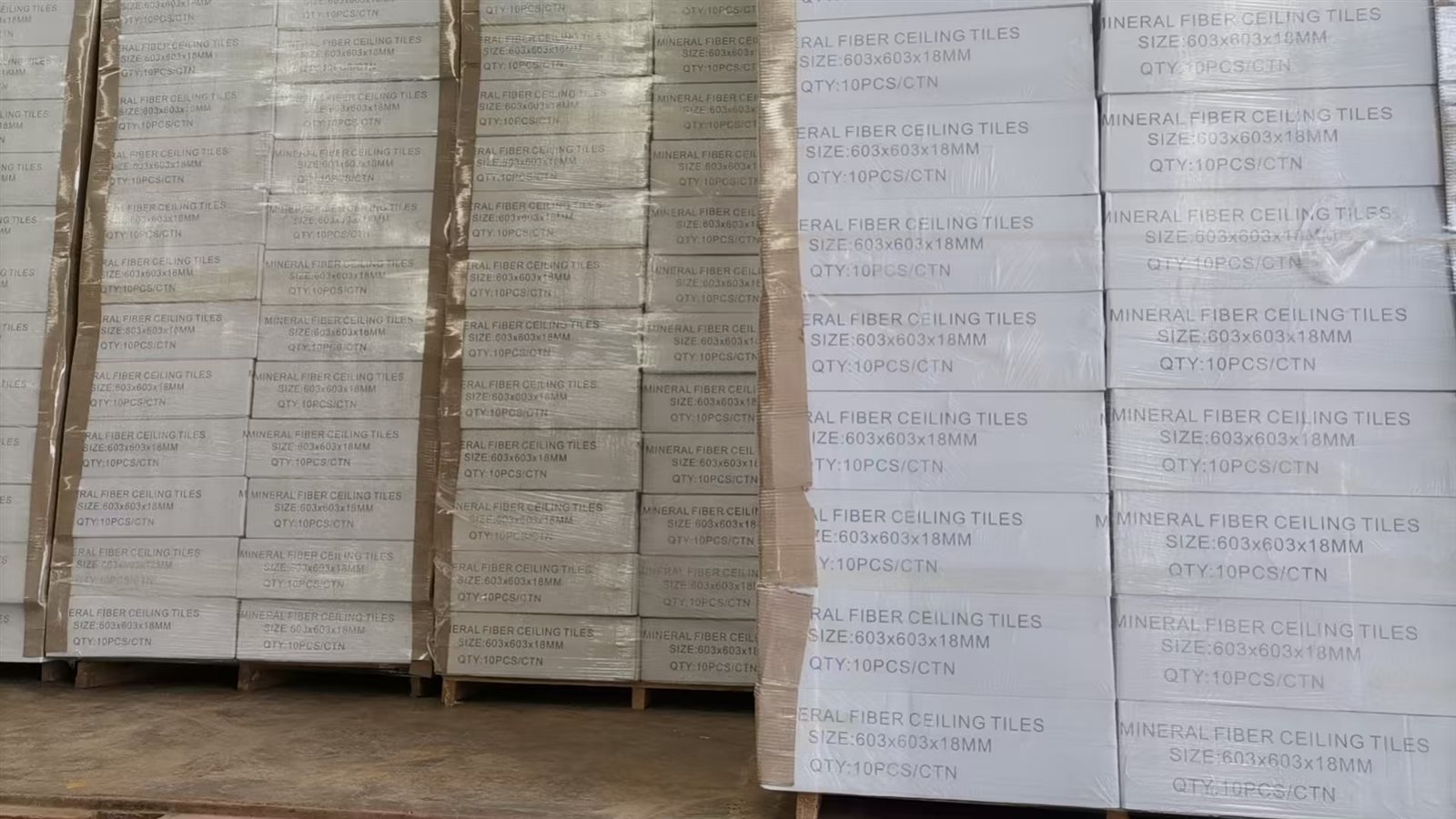
A finished pallet is not yet a released pallet
A row of wrapped mineral fiber ceiling tile pallets can look ready long before the delivery is ready. Cartons may be grouped by destination, by room release or simply by where space was available that day. The distinction matters when one purchase order feeds several floors, several installers or a distributor's mixed collection. Mineral fiber ceiling tile pallet checks turn a visible stack into a defined delivery group before it reaches the loading point. Start with the dispatch instruction, not with the number of pallets in front of the door. It should say which order line is moving, whether the release is complete or partial, and where the material is expected to go next. If the receiving party needs a particular sequence of room packages, record that before wrapping or loading begins. A driver cannot recover a missing allocation from a stretch-wrapped pallet once it is mixed with the next release.
Read the carton as an order reference
Use the carton information as a cross-check against the order rather than treating every white carton as interchangeable. The shared warehouse photo shows mineral fiber ceiling tile cartons marked with a size and a stated quantity. Those details are useful because a pallet can contain the right-looking product while belonging to a different module, thickness, edge choice or order line. The current order confirmation remains the reference for what is to be dispatched. For each pallet group, compare the visible carton description with the selected line on the dispatch list. Where multiple items look alike, place a clear temporary pallet card facing the aisle. The card can identify the order or release reference, product description, carton count and destination group. It does not need to replace the manufacturer's carton marking; its job is to stop a picker, loader and receiver from making three different assumptions about the same stack.
Count cartons before the wrap hides the evidence
Count accessible cartons as the pallet is built, then reconcile the total with the quantity required for that release. This is simpler than trying to infer a count from pallet height after the stack has been wrapped. If a release contains full pallets plus a remainder, record the remainder separately. That small note can prevent a short delivery being mistaken for a complete pallet at the other end. Do not convert carton counts into board quantities from memory. Carton contents can differ by product selection and packing plan. Use the stated carton quantity and the specific order documents for the calculation. When a buyer asks for a partial release, confirm whether the stated quantity is being measured in cartons, boards or pallets. The words may sound interchangeable during a phone call, but they create very different picking instructions.
Keep split deliveries visibly separate
Phased ceiling work often creates two kinds of separation: one project may have several delivery dates, and one date may serve more than one area. Create a physical break between the groups wherever the dispatch area permits. An aisle gap, a different bay or a clearly attached card is more reliable than a verbal instruction passed along a busy loading line. Keep replacement stock or unallocated cartons outside the released group until their status is confirmed. The same discipline helps distributors collecting stock for more than one customer. A pallet may be complete in itself yet still be part of the wrong collection. Check the destination label, the order reference and the carton count together before the pallet is moved. If an order changes after picking, issue a revised release list and mark the previous copy as superseded. Handwritten corrections on several copies create a quiet route for the wrong material to travel.
Look for handling damage at the loading handoff
The final walk-around is not a laboratory inspection. It is a practical check for conditions that a loader and receiver can both see: torn wrap, crushed carton corners, a shifted top layer, loose straps or a pallet that no longer supports the stack evenly. If a carton looks doubtful, hold it out of the released count until the responsible team decides whether it can travel, be repacked or be replaced from the correct stock. Take a wide photograph of each released group where project practice allows it. Include the pallet card and enough surrounding context to distinguish one group from another. A close-up of a carton label is useful as a second image, but it cannot show whether the photographed cartons were part of the pallet that actually left. These records support a clearer conversation if a receiver questions what was loaded.
Give the receiver a usable release record
Send the packing or release information with the delivery in a form the receiver can reconcile at the door. At minimum, identify the order reference, product description, carton count, pallet count and whether the shipment is complete or part of a planned sequence. If the material is for a particular floor or room package, add that destination exactly as agreed with the project team. The receiver should not need to decode warehouse shorthand to decide where a pallet belongs. For distributors and project buyers, mineral fiber ceiling tile pallet checks are a small control point with a useful effect. They connect the order line, visible carton marking, physical pallet and delivery record while all four can still be compared. Once the pallets are loaded, the practical goal is simple: every group is identifiable, every count is explainable and the next team knows whether it has received a complete release or only the first part of one.