Factory Checking
Mineral Fiber Ceiling Board Surface Checks Before Packing
How buyers and factory teams review board face pattern, edge detail and carton identity before mineral fiber ceiling boards are packed.
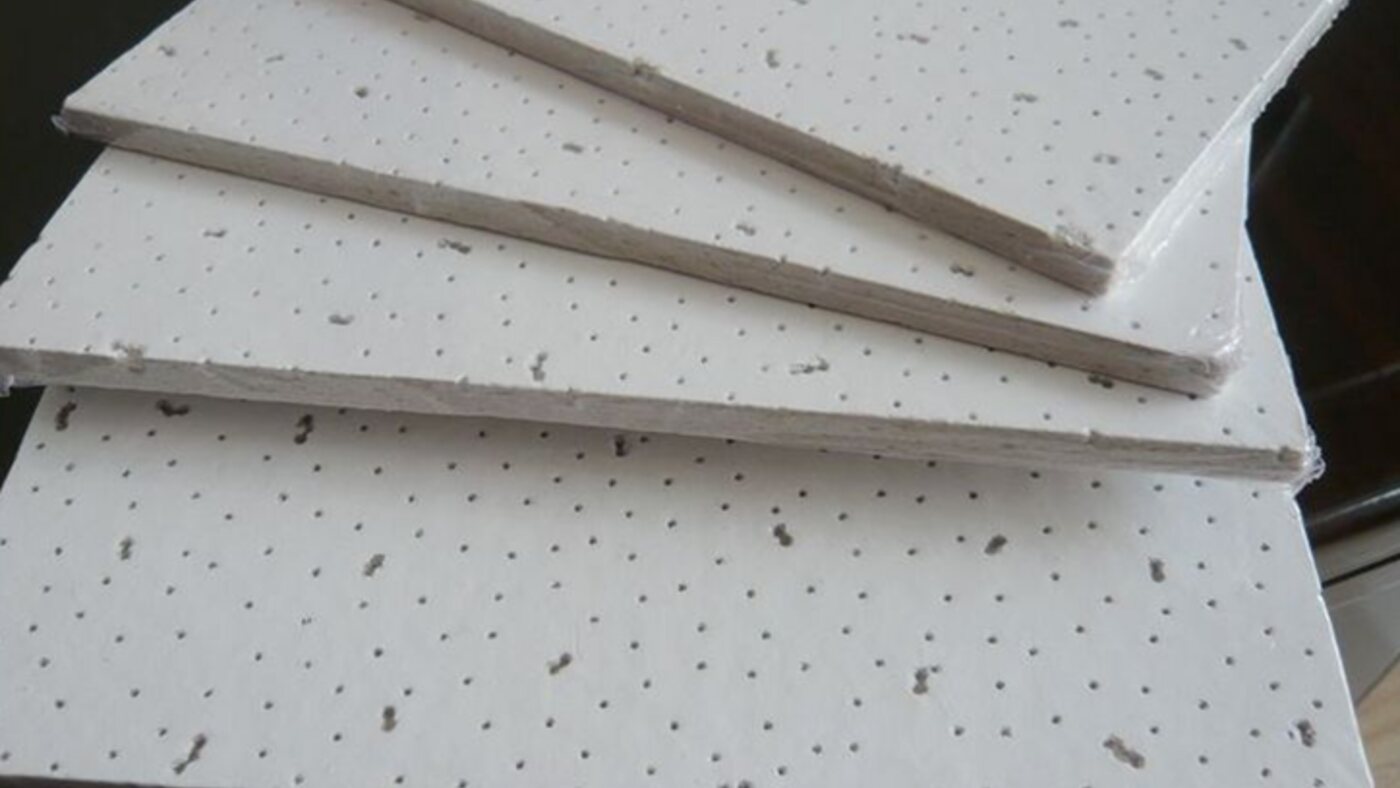
The board face is checked before it becomes a carton
Mineral fiber ceiling board surface checks are easiest while the board is still visible. Once panels are wrapped, boxed, stacked and moved toward loading, the buyer can still count cartons, but the surface pattern and edge condition are no longer easy to read. That is why the final look of a commercial ceiling is often protected by small checks made before packing, not by arguments after the material reaches site. Chengyu's product information lists mineral fiber acoustic ceiling board for offices, schools, hospitals, retail buildings and public interiors. It also lists common modules including 595x595, 600x600, 603x603 and 600x1200, with square edge, tegular edge and revealed edge options. Those are simple product facts, but on a job they become practical questions: does the visible face match the order, does the edge suit the selected T-grid, and can the carton label keep that identity clear until installation?
Surface pattern should be read as a finished ceiling
A mineral fiber board is handled as a product, but it is judged as part of a ceiling field. Installers may see one tile at a time. Owners and consultants see a full room, with lights and air devices crossing the same plane. A surface pattern that looks acceptable in a loose sample can become distracting if mixed boards appear across one room or if cartons from different releases are opened together without control. The useful check is not complicated. Put several boards under steady light. Look across the face rather than only straight down at one panel. Confirm that the perforation or speckled finish is the same style expected for the room. Check whether the surface is clean enough for direct installation, with no obvious handling marks that should have been caught before packing. This is a visual review, not a claim about laboratory performance.
Edges decide how the board meets the grid
The edge is where board selection becomes installation reality. Chengyu's range includes square, tegular and revealed edge options, and each one sits differently in an exposed ceiling grid. A square edge gives a direct board-to-grid line. A tegular or revealed edge changes the shadow and the way the tile face steps around the grid. If edge descriptions are mixed in the order or lost on labels, the installer may not notice the problem until a room is already partly opened. For export buyers, an edge check should be tied to the matched grid order. Chengyu supplies painted ceiling T-grid systems with main tee, cross tee and wall angle, including 24 mm and 15 mm face width options. The board edge and grid face do not need a long essay on the purchase order, but they do need consistent words. If the project uses tegular edge board with a selected grid face width, that language should appear in the inquiry, the packing list and the carton identity.
Module checks keep cutting work under control
Surface and edge checks should include the module size because room layout depends on it. A 600x600 board and a 600x1200 board do not create the same ceiling rhythm, border cuts or carton release sequence. Even small market differences such as 595x595 and 603x603 belong in clear order language. The number may look minor on paper, but it controls how cross tees are selected, how borders are measured and how replacement stock is stored. A practical factory-side review is to hold the sample, order sheet and packing note in the same conversation. Confirm the size family. Confirm the edge. Confirm the visible face. Then ask whether the same description will still be readable when a distributor receives mixed containers or when a contractor releases material by floor. This is where product checking and site coordination meet.
Carton identity protects the check after shipment
A good board can still create trouble if the carton identity is vague. Mineral fiber ceiling board is often supplied alongside painted T-grid, wall angle and accessories. Warehouses may also hold drywall studs, tracks, channels and other long profiles from the same supplier. Once material is wrapped and stacked, people work from labels, carton faces and packing lists. If those references do not separate size, edge and surface pattern clearly, the receiving team has to guess. Chengyu's website asks buyers to provide product requirements, dimensions, quantity, packing needs and destination port for quotation review. For mineral fiber ceiling board surface checks, the same habit should continue into packing. The label does not need to be decorative. It needs to help the next person find the right board without opening every carton.
A short release check is enough when it is specific
The strongest release check is usually short. Review several boards from the prepared batch. Match the face pattern to the approved sample or order note. Confirm the module and edge description. Check that the carton wording follows the same terms used in the buyer's purchase order. Keep mixed board types separated before wrapping, especially when one shipment includes several room families. Mineral fiber ceiling board surface checks do not replace project specifications, installer judgment or required documents. They simply prevent avoidable confusion before the board disappears into cartons. For distributors, that means fewer mixed-stock questions after unloading. For contractors, it means the ceiling crew can open the right material for the right room. For project buyers, it keeps the visible ceiling tied to the product decision they already made.