Material Selection
Mineral Fiber Ceiling Board Raw Material Checks for Orders
How overseas buyers can connect mineral fiber raw material handling with board model, edge detail, surface choice, labels and export packing.
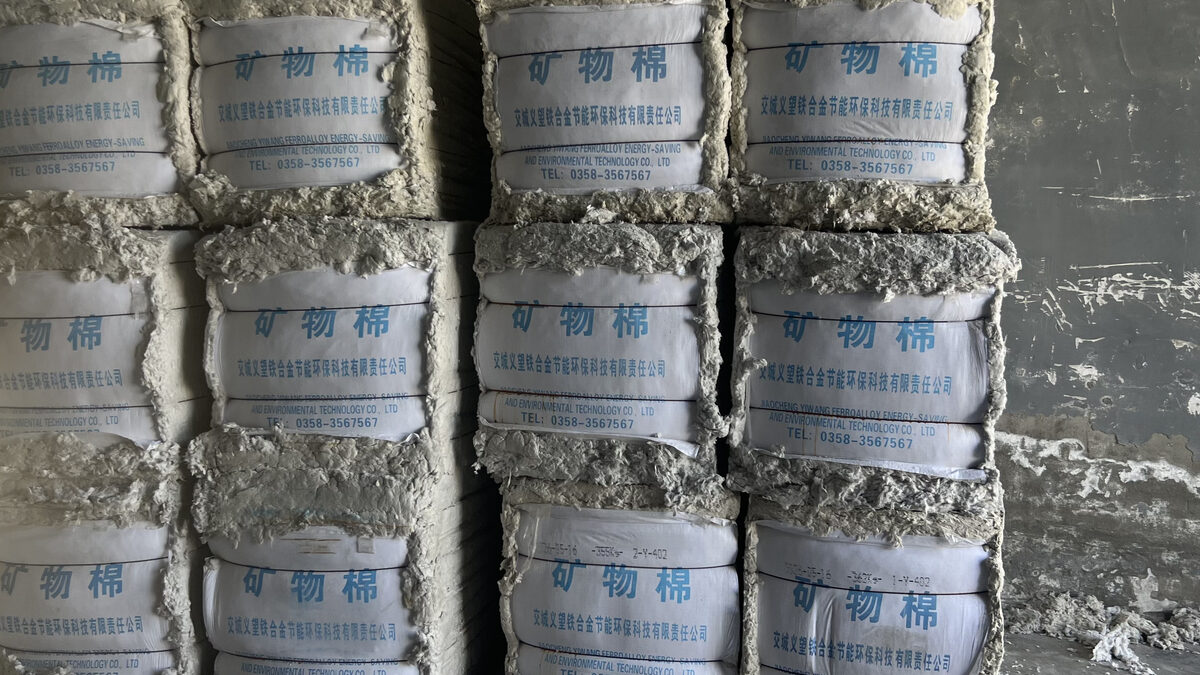
Raw material review belongs before the board order
Mineral fiber ceiling board raw material is easy to overlook when a buyer is focused on finished tile size, carton quantity and container timing. The order conversation usually starts with a ceiling module, a surface pattern, an edge type and a target room type. Those details matter, but the earlier factory-side review also deserves attention because mineral fiber board is not a metal profile that can be judged only by length and bundle count. The photograph for this article shows stacked mineral fiber material bales in a factory storage area. It is not a finished ceiling and it is not a performance claim. It is a useful reminder that acoustic ceiling board orders begin with material handling, batch identity and production planning before the buyer sees a carton of 600 by 600 mm panels. For distributors and project buyers, asking better questions at this stage can reduce confusion later when samples, model names, edge details and packing labels must all match the same order.
Connect material handling to the board model
Chengyu's product content presents mineral fiber acoustic ceiling board as a ceiling board product for offices, meeting rooms, schools, public buildings, hospitals, healthcare facilities, retail, hotel and transport interiors. It also lists catalog model examples such as Snowflake, Snowball, Snowstar, Snowdot, Snow Sand, Xuechuan and Xuedong. A buyer does not need to turn that model list into factory jargon, but the selected model should remain clear from sample review through production discussion. A practical order file should record the model name, intended application, visible surface expectation, module size and edge type in one place. If the buyer is comparing more than one model, the file should not rely on a photo alone. Photos can help, especially for surface pattern, but they do not replace plain text that says which board family is being requested. This becomes more valuable when the same distributor sells several acoustic ceiling tile lines into different room types.
Keep size and edge decisions visible
The website lists common mineral fiber ceiling board sizes including 595 by 595, 600 by 600, 603 by 603 and 600 by 1200. It also lists square edge, tegular edge and revealed edge options. These are finished-product decisions, yet they should be visible during production planning because they affect how the order is discussed, packed, released and checked at site. Square edge boards and tegular or revealed edge boards do not read the same once they sit in an exposed T grid. A contractor who expects a simple lay-in panel may react badly if an edge detail changes the shadow line. A distributor may also stock more than one module for different markets. When mineral fiber ceiling board raw material, model selection and edge detail are discussed together, the order becomes easier to check before cartons are printed and pallets are staged.
Surface expectations need plain samples
Mineral fiber board is judged first by the finished ceiling face. On site, nobody sees the raw bales or the production notes. They see whether the surface pattern looks consistent across a meeting room, whether replacement tiles can be matched later, and whether the board edge sits cleanly with the ceiling grid. That is why surface expectations should be confirmed before the order becomes only a quantity spreadsheet. A useful sample review does not need dramatic language. It should identify the model, show the face pattern, note the edge detail and link the sample to the planned order. If the buyer needs documents for a named model, Chengyu's product content already gives the right caution: performance values apply to the named model and test basis, and the report scope should be requested before ordering. That keeps the discussion factual instead of turning one sample or one value into a promise for every board.
Packing labels should carry the production decision
Once boards are packed, the buyer loses the ability to read the material by sight. Cartons and pallet labels become the working language for warehouse staff, freight forwarders, distributors and site teams. The label should make the finished order easy to recognize: board model, size, edge, quantity, carton group and any agreed release group that helps the contractor deliver material by area. This is where early raw material and production review connects to ordinary export work. The order may include acoustic ceiling boards, painted T grid and other ceiling components. If the cartons only say a generic board name, the distributor may have to open packages to confirm what should already be clear. If the labels carry the same model and size language used in the purchase discussion, receiving checks are faster and the first installation area is less likely to pull from the wrong stock.
What buyers should include in the inquiry
A clear inquiry for mineral fiber acoustic ceiling board should name the room type, desired model or sample reference, size, edge, quantity, packing expectation and whether the board will be supplied with a matched T grid package. For repeat distributors, it is also worth naming the stock code or local sales name used in their own warehouse, then matching that to the Chengyu model language on the order file. The goal is not to make the buyer manage the factory. The goal is to keep practical decisions connected. Raw material storage, board model, surface pattern, edge detail, document scope and packing label all belong to the same order chain. When those items are separated, a correct product can still become hard to receive or hard to sell. When they are written plainly before production, the finished mineral fiber ceiling board order has a better chance of moving from factory storage to distributor stock and then to the ceiling grid without unnecessary sorting.