Installation Coordination
Mineral Fiber Ceiling Board Mock-Up Checks Before Bulk Work
How a small ceiling bay confirms module, edge, grid face and room release before bulk installation.
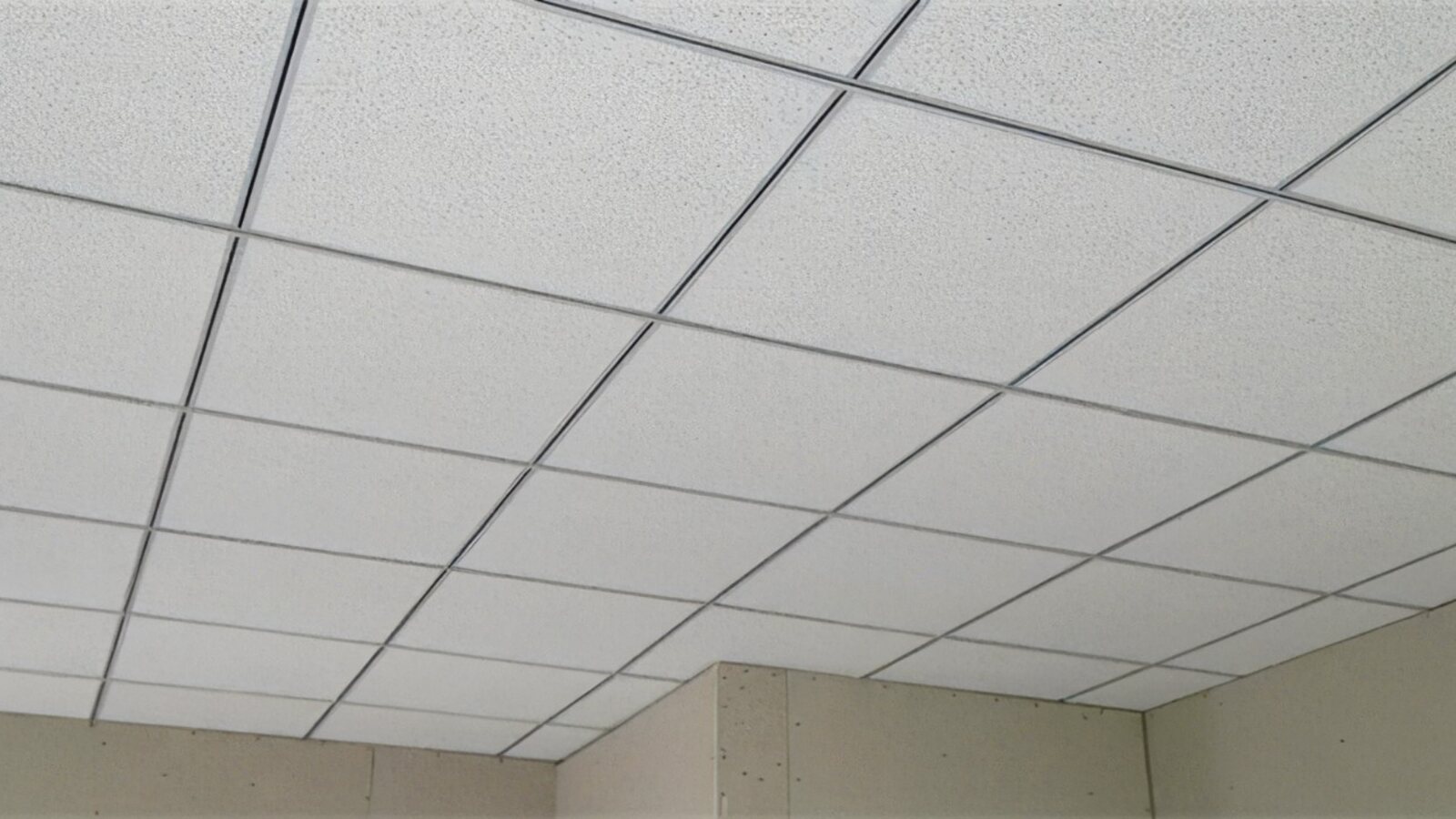
A mock-up turns product choices into one ceiling bay
A mineral fiber ceiling board mock-up is useful because it brings several quiet decisions into the same visible area. The buyer may have approved a tile name, a module, an edge detail and a painted T-grid series on paper, but the installer reads those decisions from one finished bay. If the grid rhythm, board edge and room lighting do not agree, the problem is easier to correct before bulk work starts. Chengyu describes mineral fiber acoustic ceiling board as the visible modular surface in an exposed T-grid ceiling. The product is used in offices, meeting rooms, schools, public buildings, hospitals, healthcare facilities, retail spaces, hotels and transport interiors where buyers need a clean, replaceable ceiling finish and access above the ceiling. That is exactly why a trial bay matters. It is not decoration. It is a short practical check of the ceiling system before cartons are opened across a whole floor.
Read the grid before judging the board
Most mock-up arguments begin with the board face, but the first check should be the grid. A painted ceiling T-grid uses main tees, cross tees and wall angle to form the exposed suspension framework. Chengyu supplies 15 mm and 24 mm face-width options for common 600 x 600 mm, 600 x 1200 mm, 2 x 2 ft and 2 x 4 ft layouts. If the mock-up uses the wrong face width or an unconfirmed module, the board can look wrong even when the tile itself is the correct product. The sample area should therefore be set out with the same main tee direction, cross tee spacing and border logic expected in the real room. Contractors often notice small alignment decisions only when a ceiling bay sits against a wall, column, bulkhead or service line. A clean drawing remains necessary, but a trial bay shows whether the drawing has been translated into a ceiling that can be repeated by the crew.
Use the board face as a practical approval sample
Mineral fiber ceiling board is judged from below. Surface pattern, light reflection and tile flatness are seen as a ceiling field, not as one loose piece held in a hand. Chengyu product information notes clean surface patterns, light reflection and comfortable acoustic performance as product advantages, while the mineral fiber catalog lists model-specific examples rather than one value for every tile. That distinction should stay clear during approval: a mock-up can confirm appearance and installation fit, while performance documents must still match the named model and test basis. A useful mineral fiber ceiling board mock-up places several full tiles in the correct grid rather than one isolated panel. The buyer can then compare surface density, pattern direction, edge shadow and room lighting from normal viewing distance. If the project has more than one board pattern under consideration, keep the sample area small and label each option plainly. Do not let a casual visual preference become a specification unless the model, edge, size, thickness and document scope are also recorded.
Check edge detail where the shadow line is visible
Chengyu lists square, tegular and revealed edge options for mineral fiber ceiling board. The edge is not a minor naming detail. It changes the way the tile sits in the grid and how the finished ceiling shadow line reads under real light. A square edge may give one kind of flat field; a tegular or revealed edge may make the grid line and tile step more noticeable. The right choice depends on the required appearance, the grid face width and the room type. The mock-up should include at least one border condition if the room has visible perimeter runs. Full center tiles are useful, but border tiles show whether the selected edge detail remains tidy after cutting and setting into the wall angle area. Installers should also lift and reset one tile during the check. If the edge chips easily during ordinary handling, or if the tile sits unevenly after access work, the issue should be discussed before bulk installation rather than after handover.
Keep services and replacement logic visible
A suspended mineral fiber ceiling is often chosen because the space above it must remain reachable. Diffusers, lights, sprinkler coordination, inspection points and cable routes can all change how a ceiling bay is used after installation. The mock-up does not need to include every service, but it should not hide the access logic. If a room will be opened often, the buyer and contractor should confirm that the tile module and grid arrangement allow practical lifting and replacement. This is also where spare tile planning becomes real. The trial bay gives the facilities team a reference for the installed pattern and edge. Spare cartons should match that decision, and distributor stock should keep the same names used in the order record. When a ceiling has one approved board in meeting rooms and another in corridors or support areas, room-by-room labels are easier to trust than memory. The mock-up should make those release groups visible before purchase quantities are finalized.
Record the decision before bulk release
A mock-up is only useful if its decision survives the next email, container plan and site delivery. The approval note should list the mineral fiber board model or agreed product description, tile size, thickness if required, edge detail, surface pattern, T-grid face width, grid color, room type, packing label language and any document request. If ceiling tiles and T-grid are being supplied together, list main tee, cross tee, wall angle, hangers and matched tile quantities in one order discussion. For overseas buyers, the discipline is simple: make the small ceiling bay answer the questions that would otherwise appear during bulk work. Mineral fiber ceiling board mock-up checks help confirm what the finished ceiling should look like, how the board meets the grid, how the room will be accessed later and how the same decision will be repeated through packing and receiving. Once those points are written down, the contractor can open cartons with a clearer target, and the distributor has a better record for reorder or replacement stock.