Site Handling
Mineral Fiber Ceiling Board Carton Opening at Site
How contractors open, stage and protect ceiling board cartons only when rooms, grids and service checks are ready.
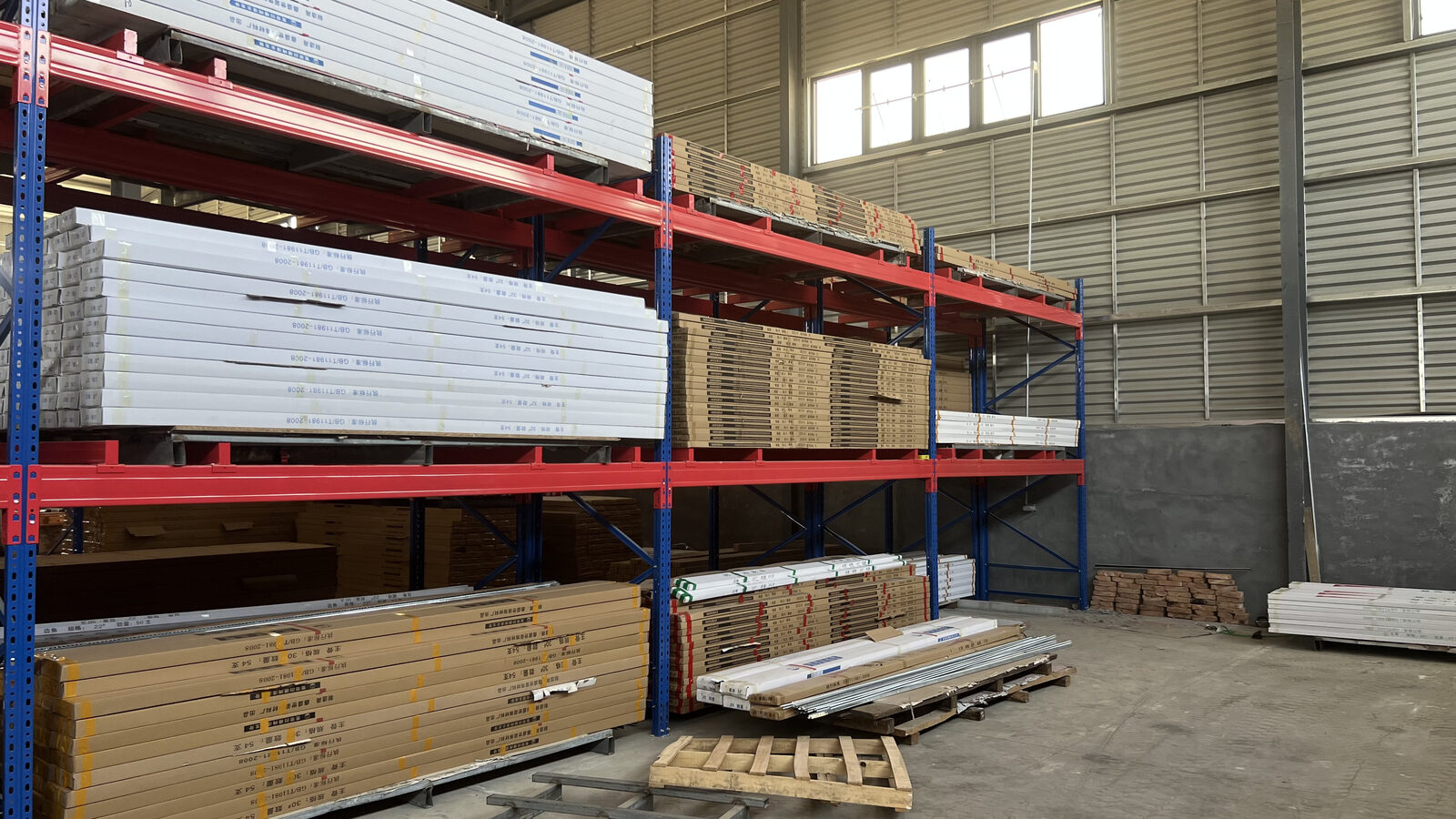
Open cartons when the room can accept tiles
A carton of ceiling board should not be the first thing opened in a suspended ceiling room. Mineral fiber ceiling board carton opening is a small site decision, but it often decides whether clean tiles reach the grid or spend two days leaning against a wall while other trades finish work overhead. For distributors and contractors, the best practice is plain: keep cartons closed until the room, the T grid and the handling path are ready. Chengyu describes mineral fiber acoustic ceiling board as the visible modular surface in an exposed T grid ceiling. The product page also notes common modules such as 595 x 595 mm, 600 x 600 mm, 603 x 603 mm and 600 x 1200 mm, with square, tegular and revealed edge options. Those details matter at the moment cartons are opened. Once boards leave the box, the surface, corners, edge profile and room identity all need protection.
The grid should be stable before tiles move
Installers sometimes open ceiling board cartons because the boxes are in the way, not because the ceiling is ready. That is the wrong trigger. Before tile loading starts, main tees and cross tees should be locked, the wall angle should be fixed, hanger lines should be checked, and the module should match the tile size on the carton. If the exposed grid still needs correction, loose boards only add pressure to finish quickly. A practical room release is easy to read on site. The ceiling plane is level enough for final tile work, service trades have completed the first access check, and lighting or diffuser positions are no longer shifting. In that condition, opening cartons becomes part of installation rather than storage. The tiles travel a short distance from box to grid, with less handling and fewer chances for damaged corners.
Keep carton labels visible until the bay is finished
Carton labels do quiet work. They carry size, model, edge and batch references that help the site team keep repeated rooms consistent. On a floor with offices, corridors and support rooms, one mineral fiber ceiling board may look close to another until the edge detail or surface pattern is placed under strong light. If labels are torn away early or cartons are mixed, the wrong tile can reach the right grid. Good carton opening starts by turning the label toward the work path. Crews can then confirm module, edge and room group before cutting straps or tape. If a project uses matching painted ceiling T grid from the same order, keep the grid release note and board carton note together. The aim is not paperwork for its own sake. It is to stop a small mix-up before it becomes a visible ceiling patch.
Plan a clean opening zone, not a pile of boxes
Ceiling tiles need room around them. A clean opening zone can be a simple pallet space near the room entrance, away from wet work, cutting dust and heavy profile bundles. Workers should be able to slide boards out flat, inspect the exposed face, and pass them upward without scraping the edge. If cartons sit under ladders, pipework or loose metal profiles, the first damage may happen before a tile reaches the installer. For overseas project buyers, this is worth discussing before shipment as well as on site. Chengyu notes that packing, labels and matched ceiling systems can be reviewed with buyers. A distributor who sells by room package or floor phase should keep that logic after unloading. Closed cartons on a rack or pallet are easier to count and protect than loose tiles scattered through an unfinished interior.
Open only the quantity the crew can place
A ceiling crew may be tempted to open several cartons at once to save time. That works only when the room is clear and the installation pace is steady. In many fit-outs, interruptions are normal: an electrician returns to a junction box, a diffuser position changes, or a supervisor asks for access above the ceiling. Open boards then become temporary stock, and temporary stock is where fingerprints, edge dents and lost pieces appear. A better habit is to open by bay or short room run. Load the full tiles first, hold border cuts until dimensions are confirmed, and keep the next carton closed until the first group is nearly placed. Mineral fiber ceiling board carton opening should follow the ceiling, not run ahead of it. The pace feels slower for the first few minutes, but the room usually closes with fewer rejected boards.
Separate full tiles, cuts and spare stock
Once tiles are out of the box, they should not all return to one mixed stack. Full tiles for the next bay, border cuts and spare stock serve different purposes. Full tiles need clean faces and protected edges. Border cuts need clear orientation so the factory edge and cut edge do not trade places by accident. Spare stock should remain identifiable for maintenance after handover. This point matters in accessible ceilings. One reason project buyers choose mineral fiber ceiling board in an exposed T grid is the ability to lift tiles for service access above the ceiling. After handover, maintenance teams need replacement tiles that still match the room. If every leftover tile has been unboxed, moved and mixed during installation, the spare-stock value is reduced before the building is even occupied.
Watch hands, corners and face direction
Mineral fiber board handling is quiet work, but it needs discipline. Installers should lift boards with clean hands or suitable gloves, support the panel instead of pinching one corner, and avoid sliding the visible face across another tile. The edge detail also affects handling. A square edge, tegular edge and revealed edge can all fit the right ceiling when specified correctly, but each can be spoiled by rough handling during loading. Face direction deserves one more look in rooms with strong daylight. Even when tiles come from the same order, careless rotation, mixed cartons or surface dust can make a ceiling look patchy. Before a room is closed, step back from the grid and read the surface as a whole. This is a site observation, not a laboratory test. The ceiling should look calm, consistent and ready for the buyer walk-through.
What buyers should ask before delivery
A useful order file can reduce confusion at the carton-opening stage. Buyers should confirm tile size, thickness, surface pattern, edge detail, carton labeling, packing method and the matching T grid module. If rooms are released by floor or phase, state whether cartons should be grouped in the same logic. For mixed orders, list mineral fiber board, main tee, cross tee, wall angle and accessories together so the installation team can read the system as one package. The best carton opening procedure is not complicated. Keep boxes closed until the ceiling is ready, open them where tiles can be handled flat, check labels before loading, and protect spare stock for future access work. Mineral fiber ceiling board carton opening sounds like a small jobsite habit. In practice, it helps distributors, contractors and project buyers preserve the material quality they already paid to receive.