Warehouse Planning
Light Steel Keel Warehouse Picking for Floor Release
How warehouse picking keeps studs, tracks, channels and labels aligned with floor-by-floor framing work.
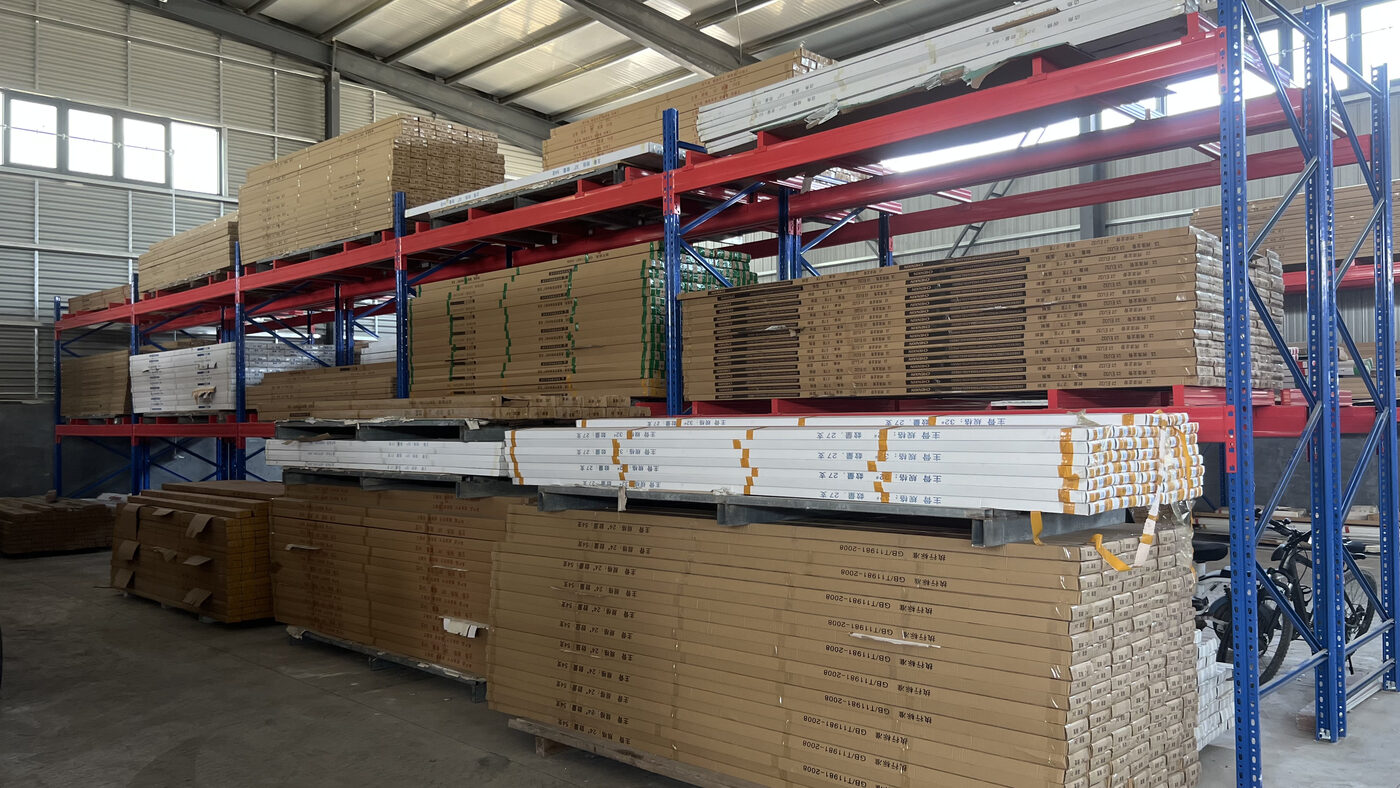
Picking starts before cartons move
Light steel keel warehouse picking is usually judged by whether the right bundles leave storage, but the better question starts earlier: can the next crew understand the order before a forklift moves anything? Drywall framing material often looks repetitive from a distance. Studs, tracks, furring channels and carrying channels may share similar carton lengths, galvanized surfaces and bundle shapes. If the warehouse team only follows a loose product name, a mixed order can become slow at the first floor release. Chengyu presents light steel keel as the concealed framework for gypsum board partitions, wall linings and ceiling suspension work. The product content also states that buyers can specify profile width, flange, steel thickness, length, punching, surface finish, labels and packing. Those details are exactly what a picking plan has to protect. A clean shipment is not only straight metal in cartons. It is a set of named pieces that can be found, counted and released in the same order the contractor expects to install them.
Separate the wall package from the ceiling package
Many export orders include more than one profile family. A distributor may buy drywall studs and tracks for partitions, furring channels for wall lining, and carrying channels or related support profiles for gypsum board ceilings. The warehouse rack may hold all of them in long cartons, but the site will not use them as one pile. Partition crews look first for matched studs and floor or head tracks. Ceiling crews look for the profiles that form the suspended gypsum board support plane. That difference should appear in the pick list. The list can be simple, but it should name the product role before the carton count: stud, track, U channel, carrying channel, furring channel or custom profile. Chengyu already uses this kind of product language across its category pages. Carrying the same words into warehouse picking reduces arguments later, especially when a buyer is splitting one container between several floors, buildings or local customers.
Keep studs and tracks as matched pairs
Drywall partitions depend on a matched conversation between vertical studs and the floor and head tracks that receive them. If those items are picked from separate racks without a shared release mark, the mistake may not appear until the cartons are opened on site. The wall line is ready, the board crew is waiting, and someone discovers that tracks for one wall group are still in another bundle or another delivery area. A better light steel keel warehouse picking routine pairs studs and tracks at the order level before loading. The pick note should show profile width, length group, punching requirement if used, and the intended release area. This does not require the factory to design the wall. It asks the supplier and buyer to keep the approved order information visible. When carton labels and the packing list use the same terms, the receiving team can release framing material without opening every similar-looking package.
Treat length as a handling decision
Length affects more than the quotation line. Chengyu lists common light steel keel profile lengths from 2000 to 6000 mm on the current site content, with custom length possible after review. Long cartons need clear rack positions, proper support and enough space for safe handling. They also need to be separated from short mixed pieces so the warehouse team does not select an easy carton instead of the correct carton. On a project order, length groups should follow the way material reaches the work area. A high-rise fit-out may release one floor at a time. A retail renovation may need a smaller first package for early partition lines, then later bundles for back-of-house rooms. A distributor stock order may separate fast-moving standard lengths from special lengths. In each case, the picking decision should protect access, counting and identification, not only the total weight or total number of cartons.
Make punching visible in the release group
Punched studs are useful when service routes need to pass through the partition frame, but they should not disappear into a general stud pile. A carton of punched profiles and a carton of plain profiles can look close enough from the end of a rack to invite mistakes. The pick list should therefore state punching in plain language and keep those bundles inside the correct wall group. This matters because service coordination is usually discovered by sequence. Electricians and mechanical trades may not be working beside the warehouse team when the material is selected. If punched studs arrive in the wrong room group, installers either stop to sort material or improvise around a missing service path. Keeping punching visible in the warehouse release keeps the factory choice connected to the site reason for that choice.
Labels should work after unloading
A label that only helps at the factory gate is not finished. Overseas buyers need labels that still help after container unloading, local trucking, warehouse transfer and floor-by-floor distribution. Useful wording identifies the profile role, size or approved reference, length, punching note, finish if relevant, order group and carton quantity. The label does not need long sentences. It needs the same vocabulary used by the sales order, packing list and installer. Light steel keel warehouse picking becomes much easier when labels are written for the next person in the chain. A distributor can move stock into the correct rack without translating private shorthand. A contractor can compare the carton to the floor release sheet. A project buyer can separate standard stock from custom pieces. Chengyu states support for labels and export packing, so buyers should use that support to make ordinary handling more reliable.
Build the order around release logic
The best time to plan release logic is before the order leaves the warehouse. Buyers should send the profile drawing or sample where needed, width, flange, steel thickness, length, punching, surface finish, order quantity, packing method and label requirements. Those are already the practical inquiry details described on the site. The added step is to say how the material should be picked and released: by floor, by room family, by local customer, by profile family or by installation stage. When that logic is clear, light steel keel warehouse picking becomes a control point instead of a final scramble. The warehouse team can group cartons so the first unload supports the first wall line. The distributor can count stock without breaking open every bundle. The contractor can move matched studs, tracks and channels to the right floor before board fixing begins. For overseas orders, that clarity is often more useful than adding extra material. It keeps the right material visible at the point where delays usually start.