Specification Control
Light Steel Keel Sample Approval for Repeat Orders
How distributors and contractors use approved samples, drawings, labels and packing notes to keep repeat light steel keel orders consistent.
A sample is useful only when it becomes an order record
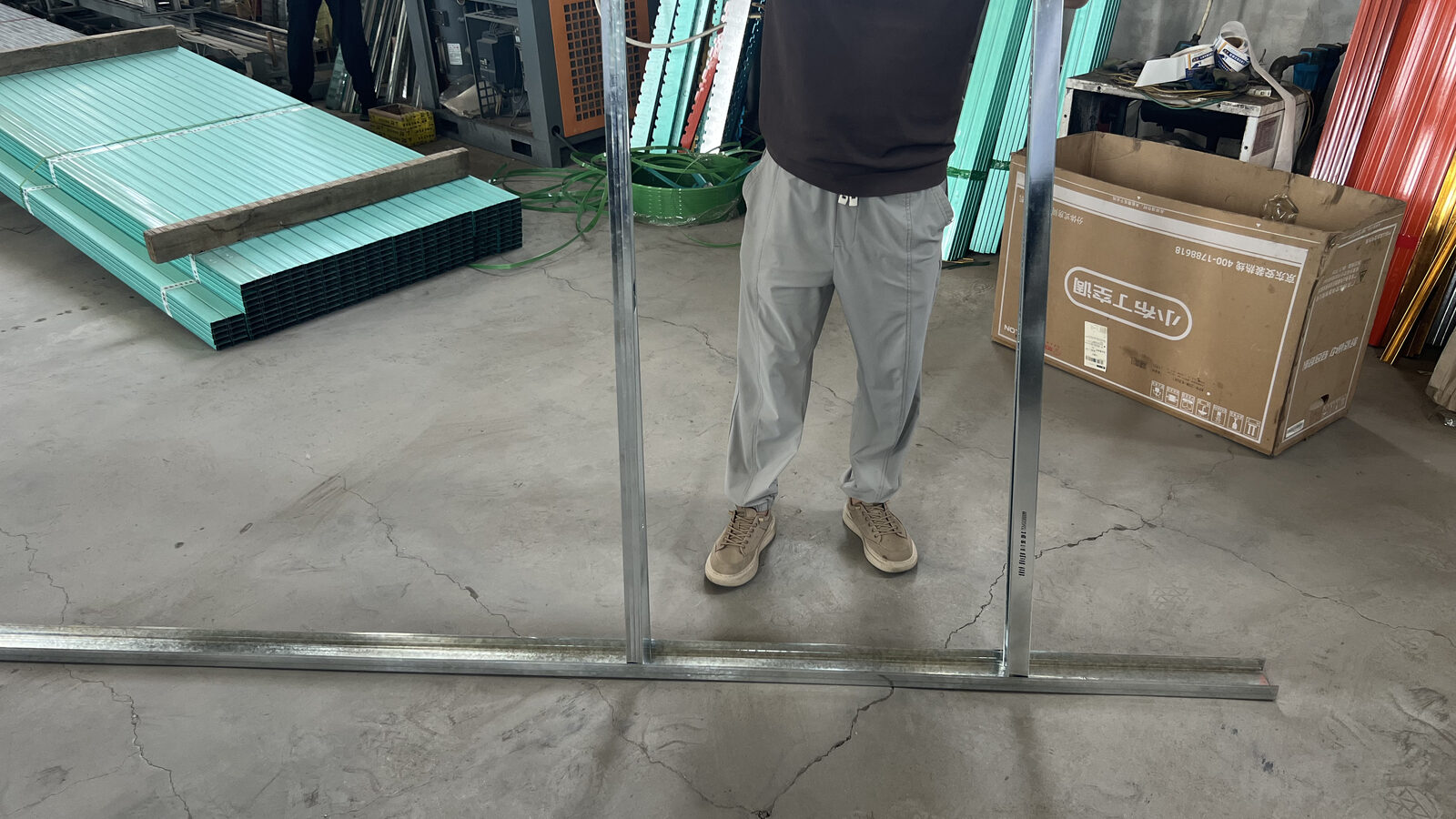
Light steel keel sample approval is often treated as a quick pre-order step: a short profile is checked, a photo is shared, and the buyer moves on to price and shipment timing. That may be enough for a first conversation, but it is not enough for repeat orders. A drywall stud, track or ceiling channel can look familiar while still carrying small differences in web width, flange, thickness, punching, finish or packing language. The photo used here shows galvanized profile sections and stacked colored profiles being handled inside a workshop area. It is not a jobsite installation claim. It is a practical reminder that the approved piece on the table should become the same language used in the quotation, production review, carton label and next reorder. For overseas distributors, that record is what keeps a popular stock item from slowly drifting away from the version installers already know.
Start with the profile the installer will actually use
Chengyu's product content describes light steel keel as the concealed galvanized frame behind gypsum board partition walls, wall linings and suspended gypsum board ceilings. It also lists studs, tracks, furring channels and carrying channels as part of the product range. A sample review should therefore begin with the real use case, not only with a loose section placed on a desk. If the profile is for a partition wall, the buyer should keep the matching stud and track together in the review. If it is for a ceiling plane, the conversation should name the furring channel, carrying channel, hanger coordination and perimeter trim that belong to that ceiling package. If the item is a custom profile, the approved drawing or physical sample needs to show what makes it different from standard stock. That prevents a warehouse team from treating a special section as just another galvanized bundle.
Write down dimensions before judging the finish
A clean galvanized surface is easy to notice. Dimensional language takes more discipline. Chengyu asks buyers to provide profile drawing, dimensions, steel thickness, length, punching, quantity, finish and packing requirement for OEM quotation. Those same items should sit inside the sample approval note. The point is not to overload the order file; it is to make sure each visible sample has a written identity. The website lists a catalog range for stud and track profiles that includes 0.3-1.5 mm thickness, 40-200 mm web and 2000-6000 mm length. Those figures are useful range information, but a repeat order still needs the exact agreed size. Buyers should also state whether a thickness request refers to base metal thickness or total coated thickness, because the site notes that the agreed method is confirmed during technical review. If that line is missing, two people may believe they approved the same profile while reading the measurement in different ways.
Punching needs its own approval path
Punched profiles create more room for misunderstanding than plain lengths. Hole position, hole shape, spacing logic and the relationship between punched studs and unpunched tracks affect how installers route services and align the wall. Chengyu's product pages mention accurate punching and custom punching options after technical review. That makes punching a separate approval item, not a decoration on the sample. A sensible light steel keel sample approval record should include a drawing view or marked sample photo for the punching pattern. It should say whether the approved item is a general stud, a project-specific service-route stud or a stock profile for distributor resale. When the approved punching language follows the bundle into packing and receiving, the site crew is less likely to cut extra holes into a profile that was already ordered for a purpose.
Finish, label and packing belong in the same file
Sample approval does not stop at the metal section. The site says buyers can specify surface finish, bundle labels and export packing, and the FAQ notes that repeat orders should reference approved drawing or sample, dimensions, thickness method, finish, label artwork, packing method and product code. Those details matter because the approved profile may pass through a factory team, freight forwarder, distributor warehouse and subcontractor store before it reaches the wall line. A label does not need long text to be useful. It should connect the product code, profile name, size, finish and package group to the approved sample record. Packing notes should also say whether studs and tracks are released together, whether custom profiles need separation from common stock, and whether the distributor has a local item code that should appear on the order file. That is especially helpful when one container includes framing profiles, ceiling grid, mineral fiber board or accessories.
Repeat orders should confirm changes, not rediscover them
The best repeat order is boring in the right way. The buyer references the approved drawing or sample. The supplier checks the same dimensions, thickness method, length, punching, finish, labels and packing method. Any requested change is called out before production review, not discovered when cartons arrive. This is where light steel keel sample approval earns its value: it turns one accepted piece into a controlled record for the next shipment. Contractors and distributors do not need to manage every factory step. They do need a file that a salesperson, technical reviewer, warehouse picker and installer can read without guessing. A short approval sheet, a clear sample photo, the profile drawing, label wording and packing note can do more for order consistency than a long email chain. When those records stay together, the next light steel keel order is easier to quote, easier to check and easier to release to the first work area.