Ceiling Framing
Light Steel Keel Ceiling Framing Before Board Fixing
How contractors and buyers coordinate carrying channels, furring channels, hangers and perimeter trim before gypsum board ceiling work is closed.
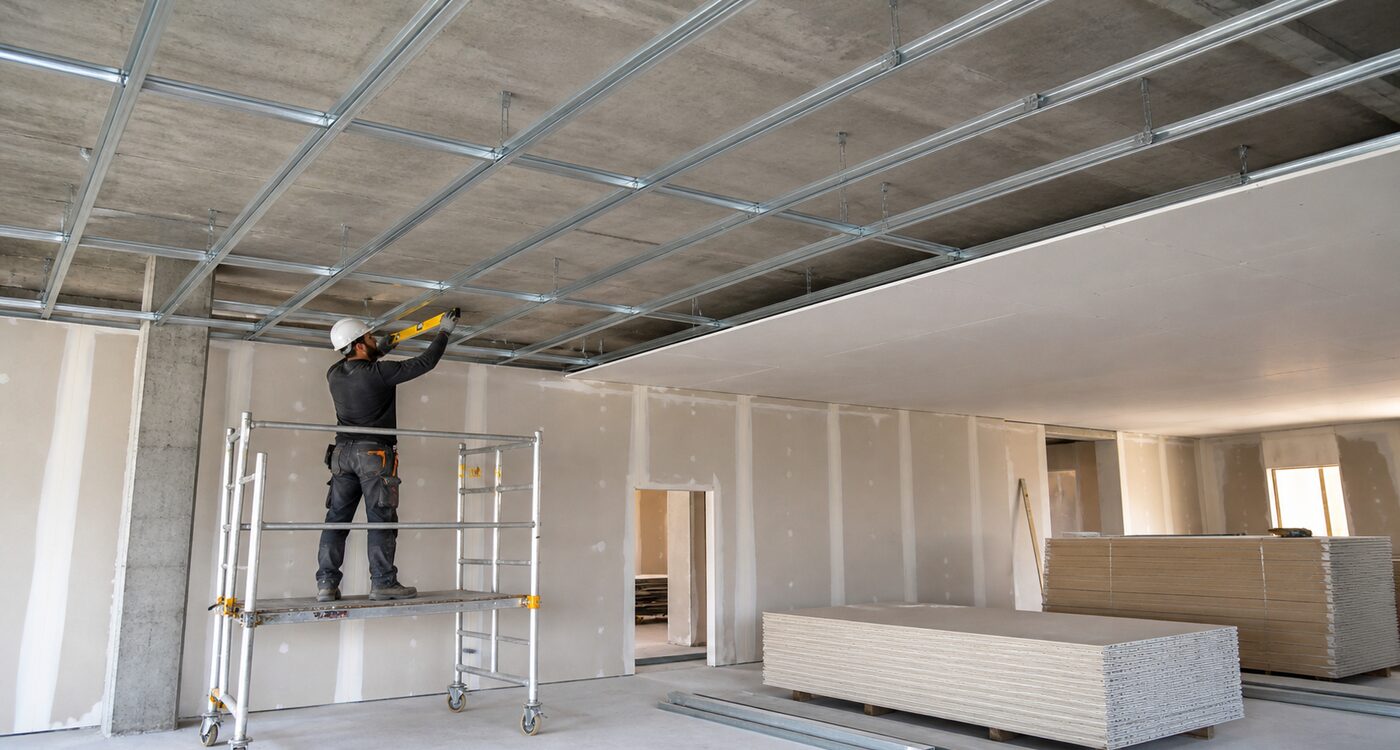
Ceiling framing is judged after it disappears
Light steel keel ceiling framing is one of those jobs that receives the least attention when it is most visible. Before the gypsum board goes up, everyone can see the hangers, carrying channels, furring channels, perimeter line and service routes. After boarding, the same frame becomes hidden work. If the layout was rushed, the ceiling may still close, but installers usually pay for that speed through extra trimming, uneven board joints, awkward service access or repeated adjustments along the room edge. Chengyu's live product content describes light steel keel as galvanized profiles used behind gypsum board partition walls, wall linings and suspended ceilings. It also names studs, tracks, furring channels and carrying channels as part of the roll formed product group. For overseas distributors, contractors and project buyers, that fact points to a practical buying question: does the order describe the ceiling frame as a working assembly, or only as separate pieces of metal?
Start with the board plane
A gypsum board ceiling begins with the finished plane, not with the first profile lifted to the slab. Installers need to know where the ceiling line sits against walls, bulkheads, doors, windows, service zones and any change in room height. Once that plane is agreed, the supporting members can be read in a more useful order: hangers from structure, carrying channels for the main support, furring channels for board fixing, and perimeter trim to control the edge. This sequence sounds obvious, but it is often where mixed material packages lose time. A crew may have enough long profiles on site and still not have the right group ready for the first room. Carrying channel, furring channel and perimeter pieces are similar in shape to a non-specialist warehouse team, but they do not perform the same role. The receiving and release plan should keep them tied to the ceiling area they support.
Carrying channels set the working rhythm
The carrying channel is not just another length in the bundle. It gives the ceiling frame its main rhythm before the furring channels are fixed across it. If the carrying lines are poorly staged, every later step becomes a correction exercise. The installer has to fight alignment while also watching services, board joints and the next trade waiting for access. Buyers do not need to write an engineering manual in the inquiry, but they should give enough information for the ceiling package to be understood. Chengyu's product pages ask buyers to confirm drawing or sample, dimensions, thickness, length, punching, finish, quantity, labels, packing method and destination port. For light steel keel ceiling framing, those same items should be connected to the ceiling layout, not left as loose profile specifications.
Furring channels belong to the fixing pattern
Furring channels are the members the board crew feels directly. Their spacing, straightness and relationship to board edges decide whether fixing is clean or frustrating. A channel that is technically present but poorly aligned can force the installer to pull a board back down, shift a joint, or use time checking every line before screws go in. The material may be correct by count and still be wrong for the working sequence. That is why the furring channel conversation should include board direction and room release. A distributor supplying repeated office rooms may want a simple profile package with consistent labels. A contractor handling corridors, small rooms and service areas may need clearer separation by zone. In both cases, the useful purchase language is plain: identify the profile family, state the ceiling use, confirm the length and finish, and ask that matched components stay readable after unloading.
Hangers and edges should not be afterthoughts
Ceiling framing often slows at the places that look secondary on the order sheet. Hangers must support the intended frame line. Perimeter trim must meet the wall condition. Openings for lights, diffusers, sprinklers or inspection points have to be understood before a section is closed. If these parts are ordered or packed as leftovers, the crew may finish most of the field while one edge or service bay remains unresolved. The same lesson appears across suspended ceiling work: the visible surface depends on quiet coordination above it. For a gypsum board ceiling, the hidden light steel frame should be checked with the services in view. The team should walk the room before boarding, look for crowded zones, confirm that the perimeter line is still true, and separate any area that needs a different fixing decision. That walk is cheaper before the first sheet is lifted.
Export packing should protect the ceiling sequence
A good export light steel keel package does more than survive the container. It helps the receiving team understand what to open first. Long bundles should be labeled so carrying channels, furring channels and related parts can be matched to the ceiling stage. If one shipment includes drywall studs, tracks, ceiling channels and accessories, the label language should prevent a warehouse worker from treating every galvanized profile as the same product. For project buyers, the best checkpoint is short and practical. Confirm the ceiling drawing or sample reference. Confirm which profiles are for the gypsum board ceiling and which are for partitions or wall lining. Confirm length, thickness, surface finish and any punching or special packing note. Ask how bundles will be labeled for export handling. When light steel keel ceiling framing is ordered with that level of clarity, the site receives a frame that is easier to stage, easier to inspect and easier to close without last-minute sorting.