Distributor Operations
Light Steel Keel Bundle Sorting for Mixed Partition Work
A practical warehouse method for separating mixed light steel keel bundles before they turn into avoidable partition-site delays.
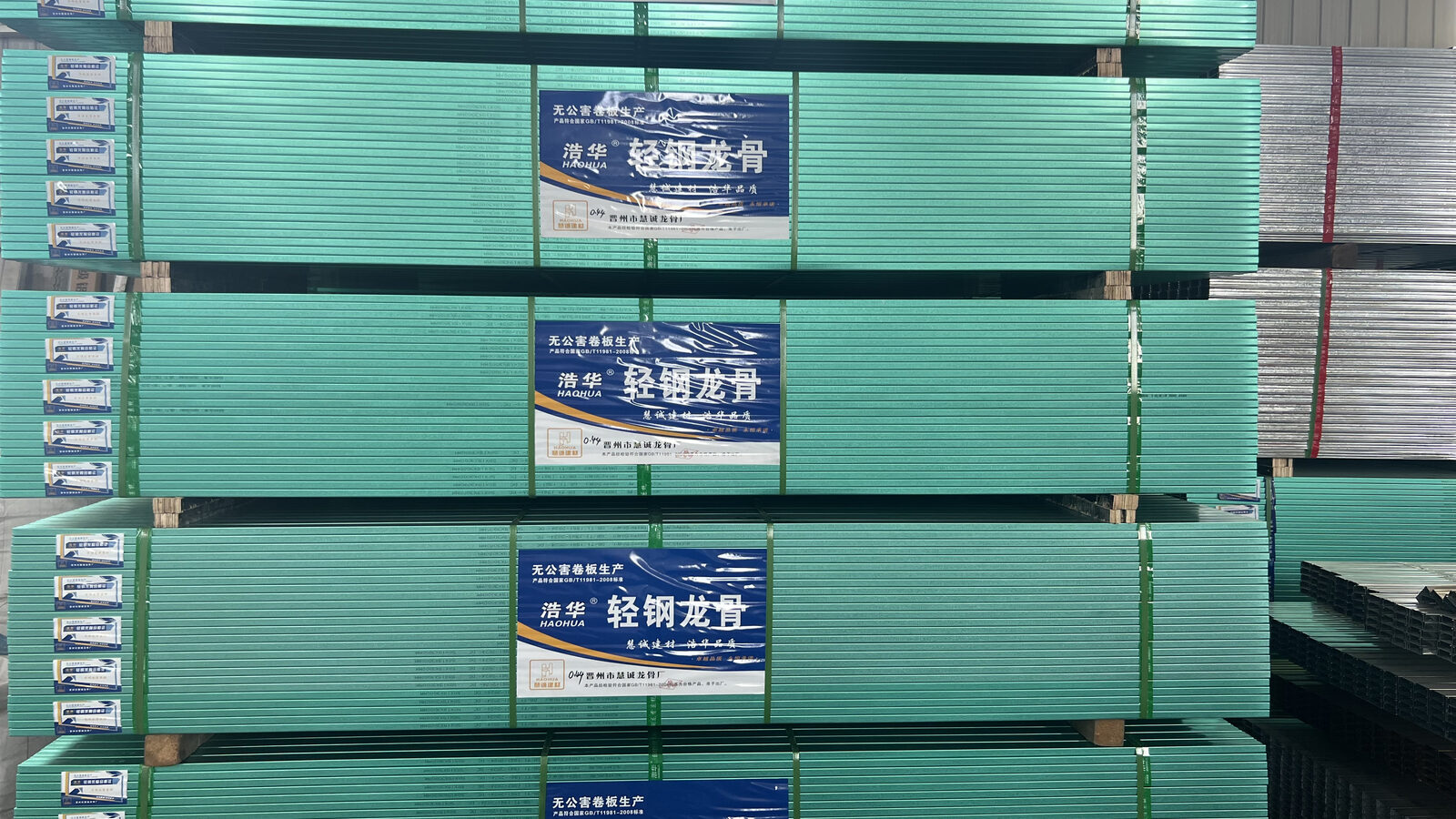
One partition order can contain several look-alike profiles
Light steel keel bundle sorting becomes a real operating issue when a distributor prepares material for several partition areas at once. Long galvanized profiles can arrive or leave the warehouse in similar-looking bundles, while the room packages behind them call for different studs, tracks, lengths, punching details or section dimensions. A bundle that is correct in isolation can still be wrong for the crew waiting on a particular floor. The practical aim is not to create an elaborate warehouse system. It is to make every released bundle easy to identify before it reaches the loading area. Chengyu's product information describes light steel keel as galvanized steel studs, tracks, furring channels and carrying channels used in drywall partitions, wall linings and suspended ceilings. Those roles should stay visible when mixed work is being prepared.
Start with the room package, not the stack
A useful sorting sheet begins with the destination and the framing role. Instead of asking the warehouse team to pull everything called light steel keel, list the room or partition zone first, then the required stud, track or other profile family. The sheet can also carry the drawing reference, profile width, flange, steel thickness, length and punching instruction where those details are part of the order. That approach keeps the loading discussion close to the buyer's specification. Chengyu asks buyers to provide profile drawings, dimensions, thickness, length, punching, quantity, finish and packing requirements for an RFQ. The same details are valuable after an order is confirmed: they are the simplest way to distinguish bundles that share a finish but do not serve the same wall layout.
Separate studs and tracks before the loading rush
Studs and tracks belong together in a partition system, but they should not become one anonymous pile during dispatch. A crew can lose time if the floor track is unloaded in one area while the matching studs are delivered with another room package. The problem is easy to miss when bundles are long, tightly wrapped and handled quickly. Create separate, plainly marked lanes for each profile role before trucks or site vehicles arrive. Keep the check simple: confirm the bundle label, compare its stated profile and length with the release sheet, and place it with the correct room group. Where several partition types are included, a physical gap between groups is often more useful than a long verbal handover.
Treat punched profiles as a specification, not a visual cue
Punched light steel profiles need an extra line on the sorting check. Chengyu offers punching as a buyer-specified option, alongside profile width, flange, steel thickness, length, finish, labels and export packing. A punched bundle should therefore be identified from its order information rather than assumed correct because holes are visible through the wrap. The release note should say which partition group receives that bundle and retain the relevant drawing or approved sample reference. This avoids turning a warehouse decision into a site question after material has already been moved. It also gives the distributor a clear record if repeat deliveries use the same profile family with different punching instructions.
Make the bundle label carry the decision
Light steel keel bundle sorting works best when the label answers the first questions a handler will ask: what is this profile, which package does it belong to, and how should it be kept separate? A concise label can reference the order, room group, profile type, length and bundle count. If the buyer has requested private labels or a specific bundle configuration, that information should remain consistent from packing through dispatch. There is no need to hide uncertainty behind a generic label such as 'metal frame'. If a bundle has to be held for drawing confirmation, mark it as held. If it belongs to a ceiling package rather than a drywall partition, keep it out of the partition release lane. Clear exceptions prevent a rushed loader from making a reasonable but incorrect guess.
Check the first bundle against the actual release
Before releasing the full group, open the process with one deliberate comparison: label to release sheet, release sheet to order details, and order details to the intended room package. This first-bundle check is a good moment to catch a profile length that suits storage but does not match the delivery plan, or a track bundle placed with the wrong stud group. The check does not replace installation review. On site, the contractor still needs to set out floor and head tracks, place studs and coordinate board work. Its value is earlier in the chain. It helps ensure that the crew begins with the profiles that were selected for that part of the partition, rather than spending the first hour rearranging bundles.
Use dispatch feedback to improve the next mixed order
After delivery, ask one practical question: which bundle took the longest to identify? That answer often points to a small improvement in the next order file, such as a clearer profile description, a separate room code or a more useful label position. It is more valuable than a vague instruction to 'check carefully' because it connects the warehouse action to one repeatable change. For distributors and project buyers, light steel keel bundle sorting is part of supply coordination, not an extra administrative task. When studs, tracks and specified profile options stay connected to the intended partition package, site teams receive a cleaner starting point. The drawing, bundle label and delivery group then tell the same straightforward story.