Material Selection
Galvanized Steel Coil Checks for Light Steel Keel Orders
How buyers connect coil thickness, surface condition and roll-forming requirements before light steel keel production begins.
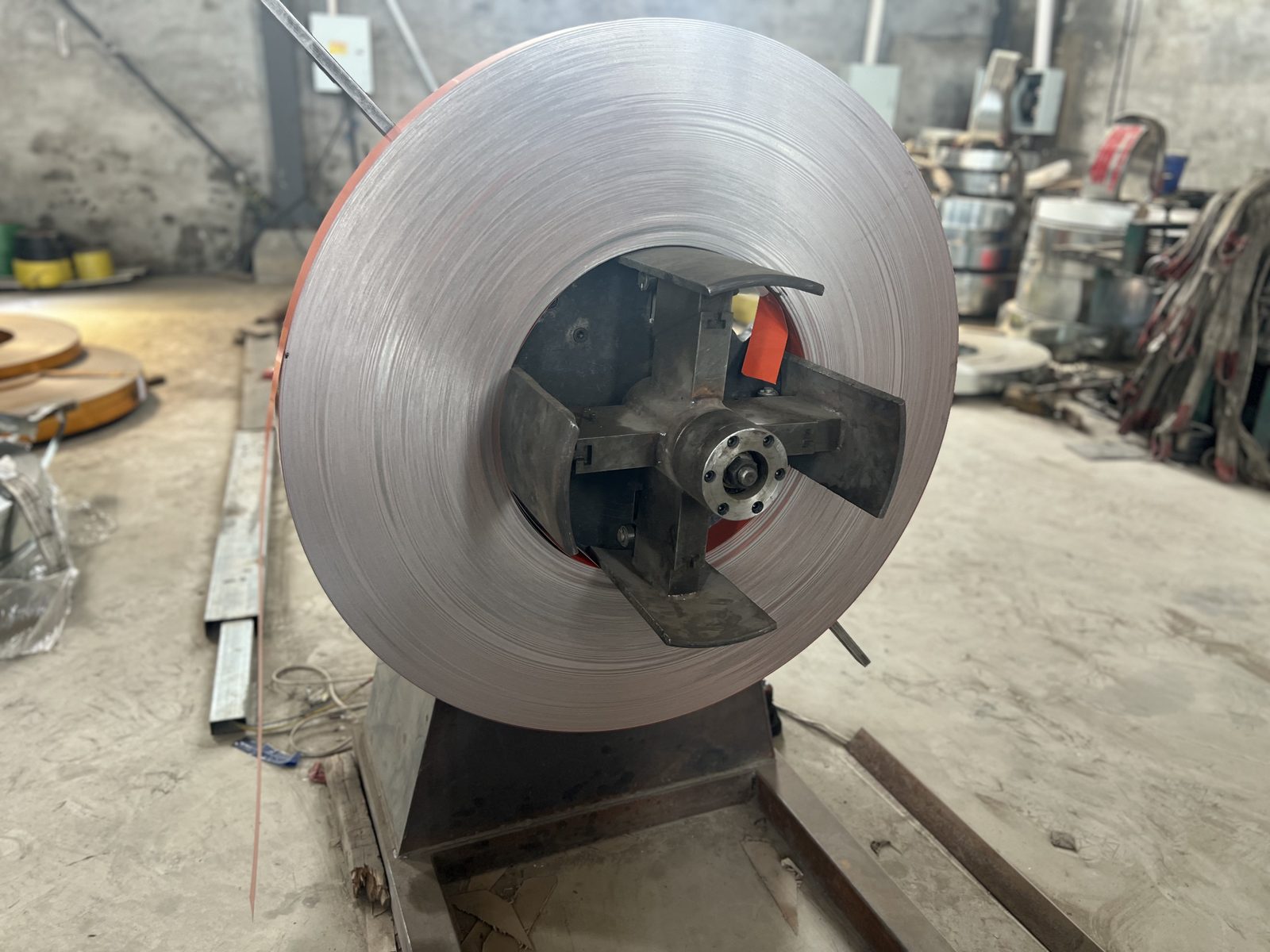
Material decisions show up later on site
Galvanized steel coil checks rarely attract much attention when a buyer is comparing a full framing order. The visible discussion usually moves to stud width, track length, punching, bundle quantity and container timing. Those details matter, but the coil decision sits underneath all of them. If the raw material conversation is vague, the finished light steel keel may still look familiar in a photo while giving the installer more sorting, cutting or alignment work than expected. Chengyu's live product content describes light steel keel as the concealed framework behind gypsum board partition walls, wall linings and suspended ceilings. It also states that the factory roll forms galvanized steel coil into studs, tracks, furring channels and carrying channels. That is the practical starting point for overseas distributors, contractors and project buyers: the coil is not a separate purchasing topic. It is the first condition for the profile the crew will handle later.
Start with the profile the coil must become
A coil should be discussed through the profile it needs to produce. A drywall stud, a track, a furring channel and a carrying channel do not ask the roll-forming line to do the same work. The shape, flange, edge return, punching requirement and finished length all affect how the material will feed, form and stack. When a buyer sends only a product name, the quotation conversation stays too general. When the buyer sends a drawing, sample or clear profile description, the coil choice can be checked against the actual output. This is especially useful for distributors carrying more than one local framing size. Similar-looking profiles may serve different wall systems, room types or installer habits. Chengyu's website asks buyers to confirm profile width, flange, steel thickness, length, punching, surface finish, bundle labels and export packing before OEM production. Those are not isolated boxes on a form. They describe the journey from coil to bundle.
Thickness and surface checks need plain order language
Thickness is one of the first items buyers mention, but it should be written in the same place as the profile name and forming requirement. A profile made for a light partition, a ceiling suspension member and a channel used as a support part may not be ordered with the same expectation. The useful question is not only the nominal thickness. It is whether the confirmed thickness, profile geometry and application are being reviewed together before production starts. Surface condition deserves the same plain treatment. Chengyu's process content lists galvanized steel coil and mineral fiber material selection, thickness check and surface inspection as the raw material stage. For steel profiles, that means the buyer should describe whether the order calls for zinc coated material or a pre-painted option, then keep that wording consistent through quotation, production note, label and packing list. A small wording change between emails can become a warehouse question later.
Coil condition affects forming rhythm
On the factory floor, coil checks are not paperwork for their own sake. The coil has to unwind cleanly, feed steadily and enter the roll-forming stations without creating unnecessary stops. A rough edge, mixed surface expectation or unclear thickness note can slow the rhythm of a line that otherwise knows how to produce repeated profiles all day. The result may be extra checking, more handling of short sections or a slower move from production to packing. Contractors often feel the consequence far from the machine. They may notice studs that need more sorting, tracks that do not feel like the same batch, or bundles that must be opened early because identification is unclear. Those problems are usually described as site issues, but many of them can be reduced by tighter galvanized steel coil checks and cleaner profile instructions before the first run begins.
Punching and cutting depend on steady feed
Punching is another reason the coil discussion should happen early. Chengyu lists roll forming, punching, cutting and profile straightness control as part of the manufacturing chain. If the buyer needs punched studs for service routes, or a specific length for room-by-room release, the material and forming plan should be reviewed as one sequence. A clean feed helps the punching and cutting steps hold their rhythm; a clean order note helps the factory know which rhythm is required. Installers do not want to decode that sequence on the floor. They want studs, tracks and channels that match the plan, arrive in clear bundles and can be staged without repeated measuring. When punching, length and bundle identity are tied back to the profile and coil decision, the site receives a more readable product. That matters most on mixed orders where several framing profiles travel in the same shipment.
Separate zinc coated and pre-painted expectations
Chengyu's light steel keel product information lists galvanized steel coil as the material and zinc coated or pre-painted options according to product requirements. Buyers should keep those expectations separate. A concealed drywall framing profile is usually discussed differently from a visible painted ceiling grid component, even when both are metal systems. Treating every surface note as the same kind of finish can create confusion in quotations and labels. A practical purchasing note should state the profile family, required surface, thickness, length and punching request in one line. If pre-painted material is involved, state the color expectation and where that profile will be used. If zinc coated framing profiles are required, keep the focus on the application, drawing and packing identity. Clear language prevents the receiving team from asking whether a bundle belongs to drywall framing, ceiling suspension or another metal profile group.
Packing notes should protect the material decision
The coil check does not end when the profile leaves the roll-forming line. If the order includes several widths, lengths or punched versions, the bundle label becomes part of material control. Chengyu's product content already connects OEM production with labels and export packing. That link matters because the distributor or contractor who opens the shipment may not have seen the factory production note. They work from the markings on the bundle and the way the load is separated. For a stronger inquiry, buyers can keep the request simple: identify the profile, confirm galvanized steel coil checks for thickness and surface condition, attach the drawing or sample reference, list length and punching needs, and ask how bundles will be labeled for export handling. That conversation does not add glamour to the order, but it removes guesswork. A framing package is easier to sell, receive and install when the raw material decision is visible all the way through to the bundle.