Site Coordination
Drywall Stud Track Receiving Checks for Site Release
How distributors and contractors check stud-and-track bundles, labels and staging before drywall framing reaches each work zone.
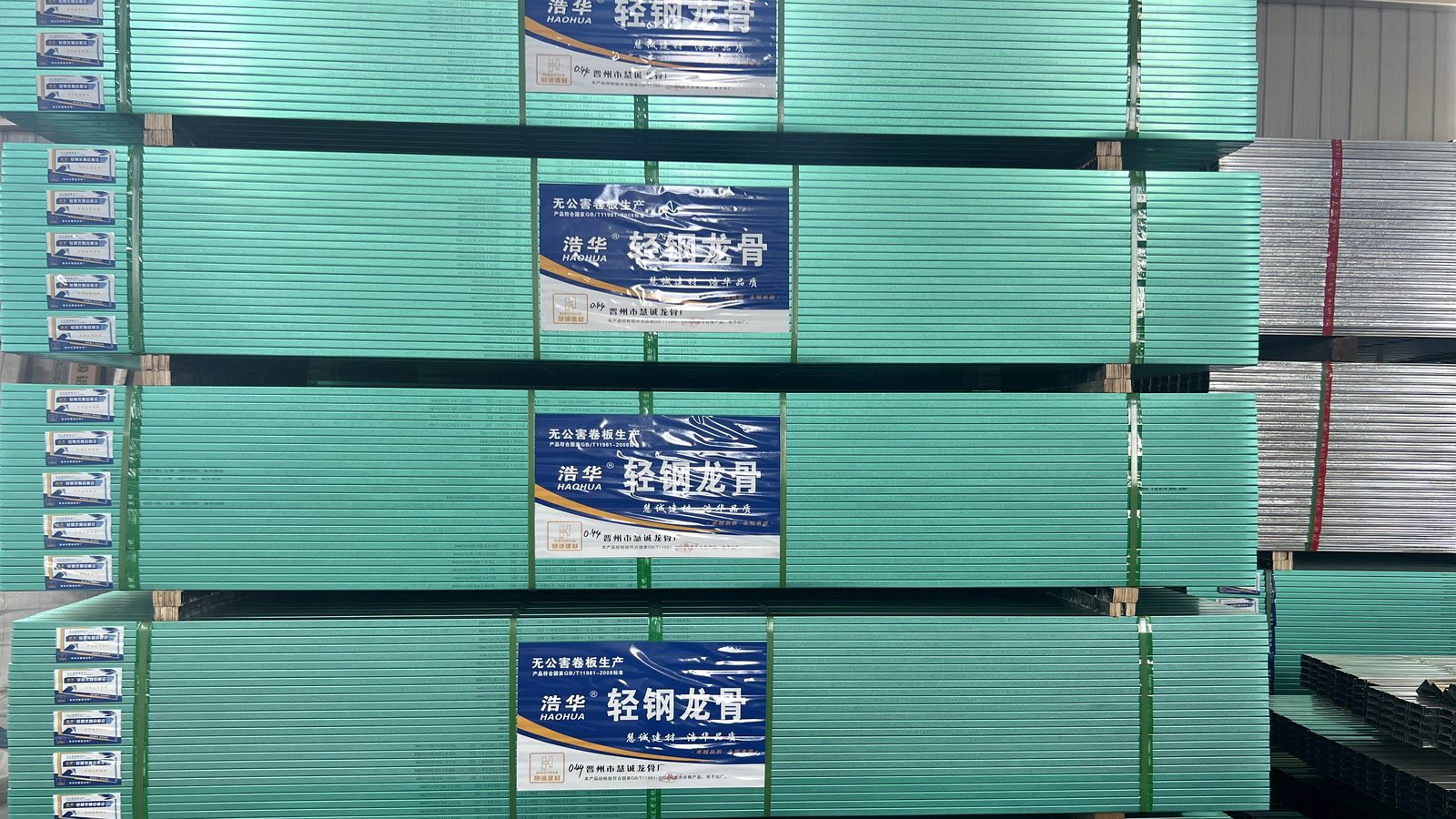
Receiving starts before the bundle is opened
Drywall stud track receiving is not only a warehouse count. It is the first chance to decide whether the framing package can move through the job without confusion. By the time a crew is standing beside a partition line, a missing track length or mixed bundle label is already expensive. The cleaner check happens earlier, while the material is still stacked, strapped and easy to compare against the order notes. Chengyu's live product content describes light steel keel as galvanized steel profiles for drywall partitions, wall linings and suspended gypsum board ceilings. The same source says buyers can specify profile width, flange, steel thickness, length, punching, surface finish, bundle labels and export packing. Those details should not stay on the quotation sheet. They should be visible in the receiving routine, because the site team can only release what it can identify.
Match the bundles to the wall schedule
A receiving crew should start with the wall schedule or material release list, not with the nearest bundle. Studs, tracks, furring channels and carrying channels may arrive in similar long packs, but they do not solve the same site problem. If the order includes several profile widths, gauges, punched patterns or lengths, each bundle needs to be matched to the room group or installation stage it was meant to support. This check is especially useful for distributors who split one import order across several contractors. A carton or strapped bundle can look complete while still being wrong for the first rooms on the programme. Keeping the receiving list tied to room names, wall types or delivery batches gives the installer a better start than a loose total quantity. It also makes shortage claims clearer, because the count is connected to an actual work zone.
Read labels while the material is still stacked
Bundle labels are easiest to read when the stack is still orderly. Once long profiles are moved across a site, labels can tear, straps can loosen and loose members can be pushed into another pile. A simple label review should confirm product name, profile type, size reference, length, quantity and any punching or finish note shown on the order. If the project uses both stud and track in close dimensions, this step deserves more than a quick glance. Drywall stud track receiving also protects the next handoff. Warehouse staff may care about pallet location, while installers care about which bundle opens first. Marking a checked bundle for a specific floor, room sequence or contractor crew reduces the temptation to open several stacks at once. The goal is not extra paperwork. It is to keep the original order logic alive until the frame is ready for board.
Keep studs, tracks and channels together
A drywall partition is not built from one profile. Vertical metal studs need matching floor and head tracks. Ceiling framing may involve carrying channel, furring channel, hangers and perimeter trim. If these parts are received and stored in separate corners without a release plan, the job can appear well stocked while one small group of parts is holding the crew in place. For project buyers, this is a procurement instruction as much as a warehouse instruction. The RFQ should state whether bundles need room-by-room labels, mixed profile release groups or separate export packing for replacement stock. Chengyu's product pages already ask buyers to provide drawing or sample, dimensions, thickness, length, punching, finish, quantity, label, packing method and destination port. A receiving team can use the same list as a checklist instead of inventing its own language after unloading.
Check handling marks before site damage spreads
Long galvanized profiles do not need dramatic damage to become awkward on site. A bent end, twisted member or crushed bundle corner may be enough to slow alignment, make a track sit poorly, or force installers to sort through material when they should be fixing. The receiving check should look along the bundle length, not only at the label face. Straps, timber spacers and stack position all show whether the material has been kept straight during handling. This does not mean every mark is a rejection. Export framing material travels through loading, unloading, warehouse storage and site movement. The practical question is whether the profiles can still be staged, cut and fixed cleanly. Suspect bundles should be photographed and separated before they are mixed with sound material. Once loose studs are spread across a floor, it becomes much harder to prove where a problem started.
Release by work zone, not by habit
The best receiving routine ends with a release decision. Material should move to the first work zone in the same order the framing crew will need it: track lines, vertical studs, opening zones, service areas and any ceiling channels that belong to the same package. If all bundles are opened at once, the site gains speed for one hour and loses control for the rest of the week. For overseas distributors, contractors and project buyers, the useful habit is plain: treat drywall stud track receiving as part of installation planning. Confirm the profile family, read the bundle label, check visible condition, keep matched parts together and release material by room or floor. A well-received framing order is easier to count, easier to stage and easier to turn into straight partition work.