Ceiling Grid Installation
Ceiling T Grid Cross Tee Locking Checks Before Tile Work
Field checks for cross tee locking, module fit and room release before mineral fiber tiles are loaded.
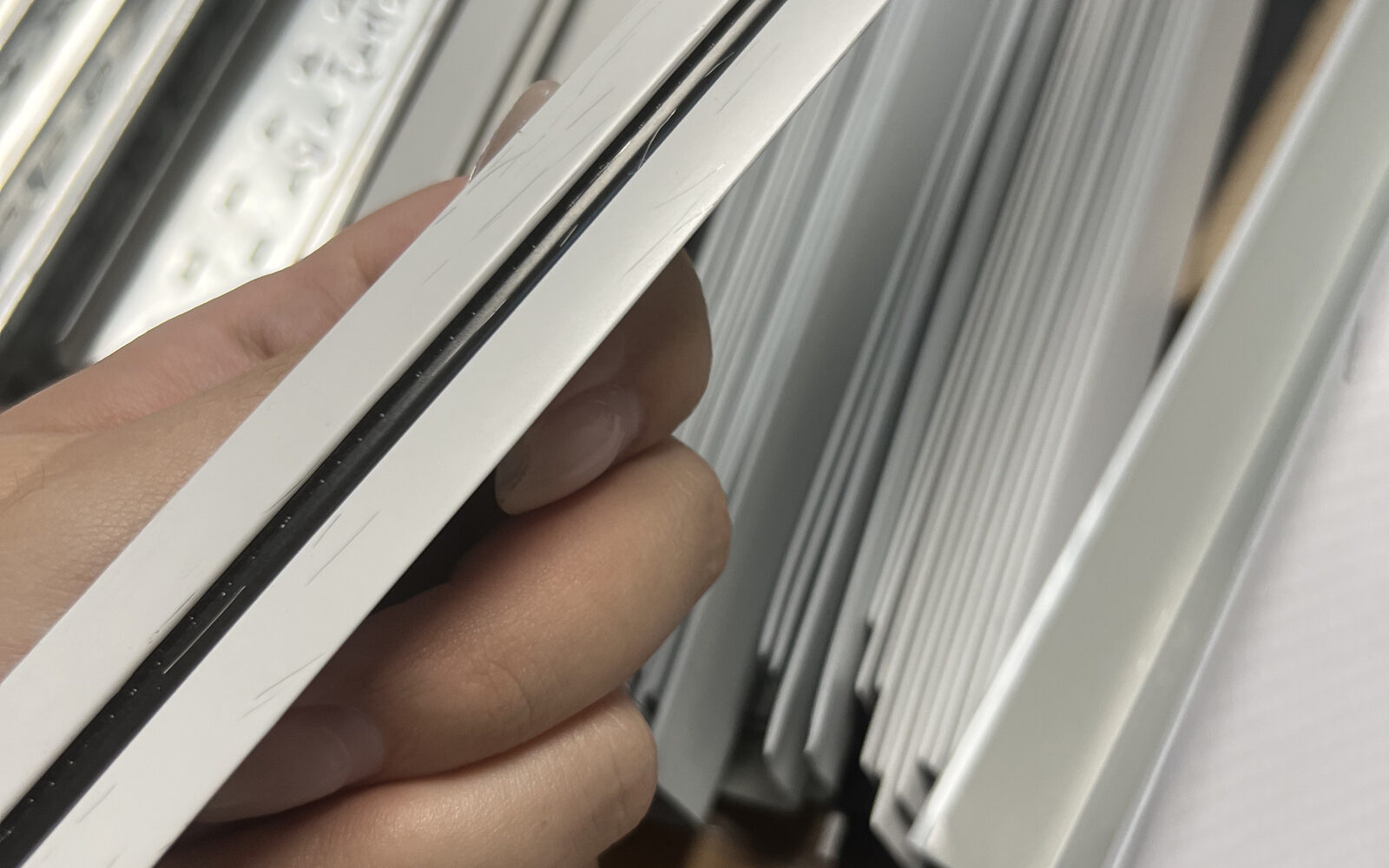
Locking checks happen before the ceiling looks finished
Ceiling T grid cross tee locking is a small action with a large effect on the finished room. The installer hears or feels the connection before any mineral fiber tile hides the frame. If that moment is rushed, the ceiling may still close, but the grid can start to show uneven module lines, loose intersections or awkward tile sitting later in the day. Chengyu describes the painted ceiling T grid as an exposed suspension system made from main tees, cross tees and wall angle for modular mineral fiber ceiling tiles. That simple description is useful because it reminds buyers where the work should be checked. The main tee sets the long line, the cross tee closes the module, the wall angle controls the edge, and the tile proves whether the grid was prepared carefully enough.
Confirm the module from the main tee
A cross tee can only lock into a useful position when the main tee layout is already understood. On a regular open room, the crew may be working toward 600 x 600 mm, 600 x 1200 mm, 2 x 2 ft or 2 x 4 ft modules. Those formats are common in Chengyu's product information, but they are not interchangeable on site. A small misunderstanding at the first run can multiply across the ceiling. Before cartons are opened widely, set one control line and check how the main tees relate to walls, columns, light openings and access points. Then place the first cross tees as a test of the room rhythm. If the module is drifting, do not keep locking pieces in the hope that the border will absorb the error. The border usually exposes the error instead.
Read each connection by feel and by sight
Installers know that a cross tee connection is not judged only by whether the piece is present. The connector should enter the main tee cleanly, sit square to the exposed face, and leave the intersection ready for tile loading. If a tee hangs slightly low, twists at the slot or needs force that the next piece does not need, the crew should pause and check whether the profile, connector direction or selected series is being mixed. This is also a purchasing issue. Chengyu notes that profile height, thickness, connector and series affect ceiling T grid performance, so buyers should request the exact series data before using any load value or installation assumption. For distributors, that means cartons and labels should identify the system clearly enough that a warehouse or site team does not mix similar-looking main tees and cross tees from different releases.
Keep border bays out of the last-minute pile
Many ceiling delays are created at the edge, not in the middle of the room. A central field of regular modules can look settled while the border bays still need trimming decisions, short tees, wall angle checks or service coordination. If the cross tees are locked without a border plan, the last line of mineral fiber tiles may become a series of narrow pieces and repeated adjustments. Walk the wall angle before the room fills with tile cartons. Check whether the wall is straight enough for the planned border, whether an access panel or diffuser changes the useful module, and whether the last cross tee line gives the tile a clean bearing. The goal is not to make the site perfect. It is to keep the edge from becoming a storage place for every decision nobody wanted to make earlier.
Match face width, finish and tile edge
Chengyu supplies painted T grid in 15 mm and 24 mm face-width options, with white, black or custom pre-painted finishes reviewed according to order requirements. Those details affect how a locked cross tee looks after the ceiling is closed. A narrow face, a wider face and a different edge detail on the mineral fiber board can all change the shadow line at each intersection. The tile edge should be part of the same discussion. Chengyu's mineral fiber ceiling board range includes square, tegular and revealed edge options, and the selected edge must match the T grid layout and face width. When the grid and tile are checked together, installers spend less time asking why a panel sits differently at one run than another. The ceiling reads as one system instead of two separate purchases meeting for the first time on site.
Labels should protect the room release
Cross tee locking checks are easier when the right profiles reach the right room. Painted grid cartons often contain pieces that are close in appearance but different in length, face width, connector style or release group. Chengyu can review OEM color, length, labels, bundle configuration and export packing for distributor orders. That support matters most when labels speak the installer's language. A useful label note is short: main tee, cross tee length, wall angle, face width, finish, room group and quantity. For mixed ceiling orders, the board cartons and grid cartons should also be easy to connect. If a contractor is releasing one floor at a time, the packing plan should help that rhythm instead of forcing crews to open several stacks just to find the next cross tee group.
Put locking context into the RFQ
Ceiling T grid cross tee locking should appear in the buying conversation before material is produced. A practical RFQ can include the ceiling module, tile size, edge type, exposed face width, finish, main tee length, cross tee length, wall angle requirement, accessory list, label language, packing method and destination port. Drawings or sample photos are useful when a buyer is matching an existing ceiling or comparing several market series. This does not ask the factory to design the ceiling. It gives the supplier enough context to quote the selected system, keep matching parts visible and avoid vague substitutions. On site, the benefit is plain. The main tees hold the line, each cross tee locks where the module expects it, border bays are already considered, and mineral fiber tiles can be loaded into a grid that has been checked before the finished surface goes in.